
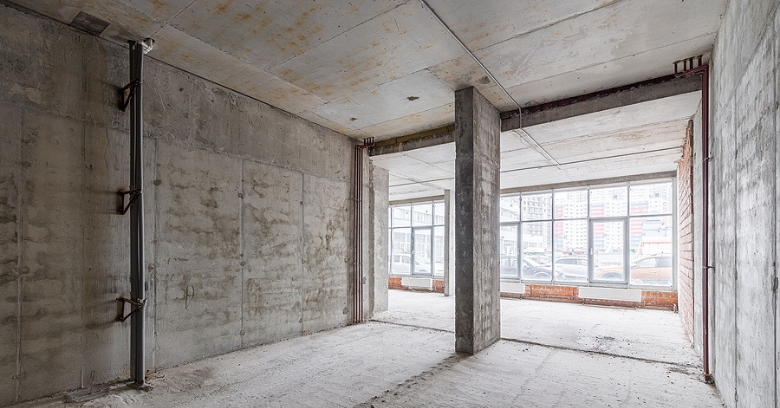
Getting ready to start Commercial Building Renovation Companies in Greater Bryan-College Station Area?
Good Company Construction renovates offices, shops, and gathering spaces while the people who use them keep working across Greater Bryan-College Station Area congregations.
Call 979-401-2527 to describe the space you want changed.
Every Commercial Update Begins With a Question About Daily Use
A manager or board member researching Commercial Building Renovation Companies in Greater Bryan-College Station Area come to see that the work has to fit the way people use the space. A clinic cannot lose its waiting room for a month, a showroom cannot hide its displays, and a school wing cannot lose its classrooms mid-term, and the contractor should ask about them before drawing a line.
With Commercial Building Renovation Companies, Good Company Construction starts by learning the daily and weekly rhythm of the building, because the answers decide the sequence of the whole job.
Working in an Occupied Building: Phasing and Access
When a building has to stay in use, the work moves through the building in stages. Signs, detours, and protected routes help people reach what they came for, and the loading route is planned so it does not cross the main entrance.
Work that affects power, water, or access is often scheduled for off hours. Cutting concrete, running a loud saw, or taking the water off for a connection are put on the calendar well ahead so the owner can plan around them.
Life Safety Is Part of Every Commercial Update
Spaces where customers, clients, or members come and go are held to rules on accessibility, fire protection, and safe exits that a house does not face. Once the layout changes, the local office may want to see how the new plan handles access and exits, so those questions belong in the first meeting and not the last.
What the building is used for sets the baseline. Conference suites, church fellowship halls, salons, and storefronts are treated differently by the codes that govern them. Local authorities in the state interpret and apply these standards in their own way, and why assumptions based on another town can be wrong.
Electrical, Cooling, and Data Capacity in an Older Building
A commercial update often asks more from the systems than the original design did. Heat from equipment and people through a long hot summer puts real stress on cooling, so capacity is checked early rather than discovered halfway through. Pathways for low-voltage cabling belong in the drawings from the start.
Opening the Walls: Surprises and How They Are Handled
A commercial property with a long history is rarely exactly what the old drawings show. Older finishes and materials from another era, which may need testing before they are disturbed are all things a careful contractor expects and plans a little room for.
With buildings from certain eras, the work should pause until the question is answered. The proper process is set by regulation, not by the contractor's preference, and it is better to know early than to be surprised.
Layout, Acoustics, and Finishes in a Working Interior
Floors, walls, and doors in a public space see steady traffic. Durable floor coverings, washable paints, and hardware that holds up should be chosen with maintenance in mind.
Sound and light shape how a room feels. Hard surfaces make a room echo, while ceilings, wall panels, and soft finishes absorb sound, and the placement of fixtures should follow how the room is used.
Sanctuaries and Assembly Spaces Have Their Own Needs
A sanctuary, fellowship hall, or large meeting room needs to seat many people comfortably. Seating arrangements, aisle widths, and the paths to the exits are part of a single plan. Work at height needs planning, equipment, and time, so the early conversation matters even more.
Exterior Updates That Change How a Building Is Seen
For many commercial owners and for most organizations that welcome the public, the exterior is as important as the interior. Parking surfaces, walkways, landscaping edges, and the entrance doors work together as a single design. Exterior work in the weather of the region depends on careful flashing, sealants, and coatings.
Beyond the Interior: Roofs, Pavement, and Drainage
Many commercial buildings have roofs that barely slope, so the roof needs to be checked whenever the interior below is being changed. Heavy downpours, summer heat, and strong sun put the membrane and the seams under stress across the state, and it is better to find a leak path before the new ceiling goes up.
Parking areas and walkways are part of the same picture. Cracked pavement, low spots, and drains that no longer carry water away can create safety and access problems that a remodel is a good chance to correct.
Setting Expectations Before the Work Begins
Surprises are the hardest part of living through construction. A brief weekly summary shared with staff, tenants, or the congregation goes a long way toward keeping goodwill intact. One person on the owner side and one on the contractor side can keep decisions moving.
Seasons, Events, and Busy Periods Shape the Schedule
A retail space, a school wing, and a sanctuary all have different peak times. Classrooms and meeting rooms are easiest to work on when they are empty, such as during breaks and summer, and a realistic schedule includes room for weather and late deliveries. Roofing, paving, painting, and other outdoor tasks cannot proceed in a heavy storm, so outdoor phases are scheduled with some flexibility.
Decision Makers Who Shape a Commercial Project
Several parties may need to approve a remodel before it starts. Lease terms can limit the work or require specific approvals, and a board has to agree on scope and schedule. Getting these approvals lined up early keeps a commercial project from stalling at the last minute.
A last round of checks matters more when the public will walk through the door. Operating manuals, keys, and records are handed to the owner as the work is completed, and any open items are listed with dates for completion.
Closing Out a Commercial Project
As the last of the work finishes and the trades begin to clear out, the final inspection from the local authority confirms the work meets code. The owner or committee goes through the space with the contractor, and small corrections are listed and handled.
For a commercial space in Greater Bryan-College Station Area that needs Commercial Building Renovation Companies, Good Company Construction can begin with a conversation about the operation, the building, and the timeline. Reach us at 979-401-2527 to talk through the details.