
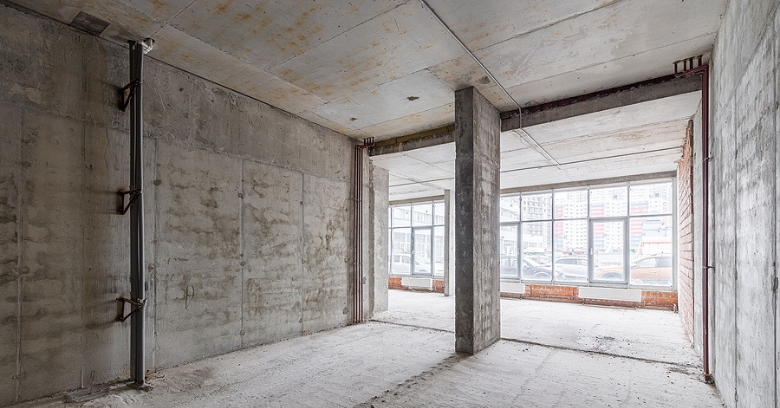
Weighing Commercial Building Renovations in Greater Bryan-College Station Area?
Good Company Construction handles the building side of a commercial update so the owner can stay focused on the business around Greater Bryan-College Station Area businesses.
Ring 979-401-2527 to explain the timeline you are working against.
Before Anything Is Torn Out, Understand the Operation
Decision makers who begin with Commercial Building Renovations in Greater Bryan-College Station Area tend to discover that the building is only half the question. Shops need to stay open, offices need to keep their people productive, and meeting halls need to host their events, and each of them changes how the work is staged.
Good Company Construction approaches Commercial Building Renovations by asking how the space is used, and when, because the answers decide the sequence of the whole job.
Work Zones, Barriers, and Detours in a Live Building
When a building has to stay in use, the project is broken into sections that can be sealed off. Signs, detours, and protected routes help people reach what they came for, and the loading route is planned so it does not cross the main entrance.
Noisy or disruptive steps are often pushed to evenings and weekends. Cutting concrete, running a loud saw, or taking the water off for a connection are the kind of tasks planned for hours when the space is quiet.
The Code Questions That Apply to Public Buildings
Commercial buildings that serve the public have to work for every visitor and be safe in an emergency. A remodel can trigger a closer look at those items, so the early planning should ask what the local office will expect.
A change in use is its own question. Sanctuaries, restaurant dining rooms, open offices, and retail floors have different rules for occupancy and egress. Each jurisdiction sets its own process for plan checks and inspection, so the safe approach is to ask rather than assume.
Electrical, Cooling, and Data Capacity in an Older Building
When the floor plan changes, the loads on the systems change with it. Modern equipment and a fuller floor can strain a panel that was installed long ago, so upgrades can be planned instead of improvised. Phone, network, and security wiring are easiest to run while walls are open.
Hidden Conditions in Aging Commercial Space
A building that has changed hands and purposes over time often holds conditions nobody drew on a plan. Plumbing that no longer serves anything, wiring that nobody can trace, and framing changed for an earlier layout should be anticipated in the schedule and discussed with the owner in advance.
When the age of a building raises questions about its materials, the work should pause until the question is answered. The proper process is set by regulation, not by the contractor's preference, and it is better to know early than to be surprised.
Layout, Acoustics, and Finishes in a Working Interior
High-traffic buildings put real demands on every finish. Finishes selected for hard wear, easy maintenance, and a clean look are worth more attention than they get in a quick plan.
Noise and lighting levels affect comfort more than most people realize. Hard surfaces make a room echo, while ceilings, wall panels, and soft finishes absorb sound, and lighting plans balance daylight, general illumination, and focused task light.
Sanctuaries and Assembly Spaces Have Their Own Needs
A room that hosts large groups has to work for both large and small crowds. Aisles, exits, platforms, and the way people enter and leave the room are part of a single plan. Work at height needs planning, equipment, and time, which is why a good plan for an assembly space is started well ahead of the work.
The Public Side of a Commercial Remodel
When the building is part of the brand, the exterior is as important as the interior. The entrance, the lighting at night, the signage, and the surrounding walkways should be planned as a unit. Finishes exposed to strong UV and heavy rain depends on careful flashing, sealants, and coatings.
Beyond the Interior: Roofs, Pavement, and Drainage
A typical commercial roof is built to hold water back and then shed it slowly, so the roof needs to be checked whenever the interior below is being changed. Hail, wind, and sun all take their turn on exposed roofing, and a remodel is a sensible time to look at the roof and drainage while the building is already open.
Parking lots and entrances take a beating and affect how the building works. Ponding at the entrance, settling near the building, and slopes that send water toward the doors are worth a look because they affect how the building holds up.
How to Keep Everyone Informed While Construction Is Under Way
Good communication is half of getting through an occupied remodel. Clear information about parking, entrances, and restroom access keeps the project from feeling like something that is happening to people. One person on the owner side and one on the contractor side can keep small issues from becoming big ones.
Seasons, Events, and Busy Periods Shape the Schedule
Businesses and congregations run on calendars that the construction schedule has to respect. Events, deadlines, and inspections all place dates on the calendar that cannot move, and a good contractor builds the schedule backward from those dates. Sudden storms, strong wind, and extreme summer heat can interrupt outdoor work for days at a time, so the finish date is set with weather in mind.
Decision Makers Who Shape a Commercial Project
Commercial projects often involve more than one decision maker, and the approvals do not always arrive in the order the schedule needs. A tenant may need the landlord's approval for changes to walls, systems, or the exterior, and a committee often has to sign off on design decisions. Identifying the decision makers before the drawings are final keeps the schedule realistic.
Closing out a commercial job involves more than a final sweep. Signs, lighting, door closers, restroom fixtures, and safety devices are confirmed to be working, and that final stage is where a well-run project shows its quality.
Wrapping Up a Commercial Remodel
As the last of the work finishes and the trades begin to clear out, the final inspection from the local authority confirms the work meets code. The contractor and the owner walk each area, and any remaining items go on a short list to be completed before the project is closed.
For a commercial space in Greater Bryan-College Station Area that needs Commercial Building Renovations, Good Company Construction is ready to discuss how the work could be phased around daily use. Dial 979-401-2527 to set up the first conversation.