
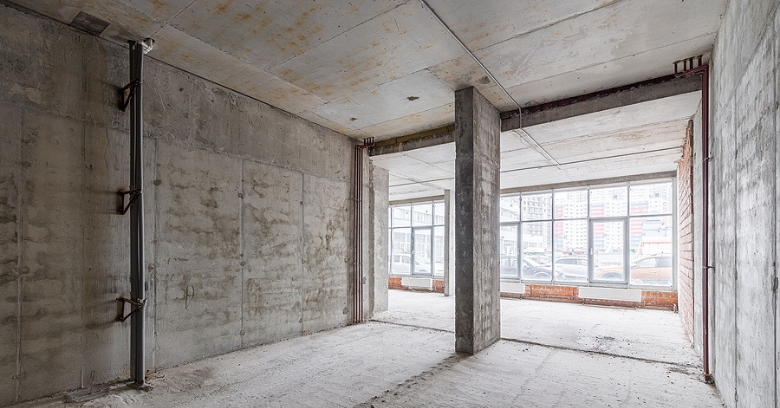
Getting ready to start Commercial Remodel Companies in Greater Bryan-College Station Area?
Good Company Construction reworks existing commercial buildings with the schedule, the access, and the code questions in mind across Greater Bryan-College Station Area building owners.
Dial 979-401-2527 to start with how your business uses the space today.
Every Commercial Update Begins With a Question About Daily Use
Tenants and landlords comparing Commercial Remodel Companies in Greater Bryan-College Station Area find that the hardest part is keeping the place working while it changes. Retail wants foot traffic, an office wants quiet, and a place of worship wants a sanctuary ready every weekend, and the construction plan has to start from those limits.
With Commercial Remodel Companies, Good Company Construction starts by learning the daily and weekly rhythm of the building, because they decide where the work zones go.
Keeping the Doors Open While Construction Goes On
For projects in occupied spaces, the project is broken into sections that can be sealed off. Temporary walls, dust barriers, and protected walkways keep the public away from the work, and worker access stays out of the public eye.
Certain tasks are ideally done after closing. Tying into plumbing, switching over electrical service, or applying coatings that smell and need to cure belong to the part of the schedule that has the fewest people around.
What Changes in the Rules When a Building Serves the Public
Commercial buildings that serve the public have to meet standards for access by people with disabilities, for fire safety, and for getting everyone out in an emergency. A remodel can trigger a closer look at those items, so a careful builder checks with the local authority early.
Occupancy type matters too. Sanctuaries, restaurant dining rooms, open offices, and retail floors sit in different categories for fire and safety planning. Rules differ from city to city and county to county across the state, so the safe approach is to ask rather than assume.
Electrical, Cooling, and Data Capacity in an Older Building
A new layout changes where heat, power, and data are needed. Heat from equipment and people through a long hot summer puts real stress on cooling, so capacity is checked early rather than discovered halfway through. Phone, network, and security wiring are easiest to run while walls are open.
Older Commercial Buildings Hide Things Behind the Walls
Interiors that have been remodeled more than once before is rarely exactly what the old drawings show. Older finishes and materials from another era, which may need testing before they are disturbed are far easier to handle when they were mentioned at the start.
When the age of a building raises questions about its materials, the right move is to have the material identified and handled properly before it is disturbed. The requirements are specific and are followed to the letter, and a good builder is clear with the owner about how that part of the job works.
Making Interior Space Fit the People Who Use It
A business interior is expected to look good under constant use. Finishes selected for hard wear, easy maintenance, and a clean look are often the difference between a space that ages well and one that looks tired quickly.
How a space sounds and how it is lit matter as much as how it looks. A ceiling treatment or a change in wall material can calm a noisy room, and layered lighting makes a space more comfortable to work or gather in.
Planning for Seating, Sound, and Sightlines
A room that hosts large groups is built around sightlines, sound, and safe movement. The sound system, the lighting, and the layout of seating and aisles all depend on one another. Tall rooms bring structural, mechanical, and access questions, which is why a good plan for an assembly space is started well ahead of the work.
Exterior Updates That Change How a Building Is Seen
For congregations and organizations that welcome visitors, how the front of the building looks is part of how the organization is judged. Doors, windows, canopies, and exterior finishes are easier to handle when considered together. Surfaces facing summer heat and wind-driven rain is wisely specified with durable materials and good drainage in mind.
Water Management on a Commercial Property
Low-slope roofs and flat roofs are the norm on shops and offices, so the roof needs to be checked whenever the interior below is being changed. Sudden storms and long periods of strong sun age roofing materials faster than many owners expect, and the interior plan should never ignore what is happening overhead.
Parking lots and entrances take a beating and affect how the building works. Uneven walkways, worn striping, and drainage that has silted up affect how visitors reach the door and how water leaves the property.
Setting Expectations Before the Work Begins
People handle disruption well when they know when, where, and how long. An update on what is closed this week, what opens next, and what to expect after hours goes a long way toward keeping goodwill intact. A single point of contact on each side can keep decisions moving.
Timing a Commercial Project Around the Calendar
A retail space, a school wing, and a sanctuary all have different peak times. Restaurants often choose the slowest weeks, while offices may prefer weekends or evenings, and the plan should start from the dates the owner cannot change. Sudden storms, strong wind, and extreme summer heat can interrupt outdoor work for days at a time, so outdoor phases are scheduled with some flexibility.
Who Has to Say Yes on a Leased or Shared Property
Churches and organizations usually answer to a board or committee. Owners of leased buildings often have rules about what tenants can alter, and a committee often has to sign off on design decisions. Making a list of every required sign-off keeps the schedule realistic.
The final stage of a commercial project has its own checklist. Mechanical, electrical, and life-safety equipment are tested together with the finished spaces, and a careful hand-off makes the first weeks in the renovated space far smoother.
Wrapping Up a Commercial Remodel
Once the new space is ready, an inspector checks the finished building. The owner or committee goes through the space with the contractor, and open items are resolved before the space is turned back over.
When Commercial Remodel Companies is on the calendar in Greater Bryan-College Station Area, Good Company Construction can begin with a conversation about the operation, the building, and the timeline. Reach us at 979-401-2527 to set up the first conversation.