
Planning Commercial Remodeling Contractors in Greater Bryan-College Station Area?
Good Company Construction reworks existing commercial buildings with the schedule, the access, and the code questions in mind across Greater Bryan-College Station Area tenants.
Dial 979-401-2527 to talk through what the building has to keep doing during the work.
The Business Comes First, Then the Building
Owners who look into Commercial Remodeling Contractors in Greater Bryan-College Station Area usually find the operation matters as much as the construction. A restaurant has to serve customers, an office has to answer phones, and a church has to hold services, and the contractor should ask about them before drawing a line.
Good Company Construction approaches Commercial Remodeling Contractors by asking how the space is used, and when, because they decide where the work zones go.
Working in an Occupied Building: Phasing and Access
When a building has to stay in use, construction is organized area by area. Signs, detours, and protected routes help people reach what they came for, and the loading route is planned so it does not cross the main entrance.
Noisy or disruptive steps are often pushed to evenings and weekends. Tasks with dust, fumes, or utility shutoffs are timed to cause the smallest interruption.
Accessibility, Fire Safety, and Egress Come With the Territory
Commercial buildings that serve the public answer to codes that cover ramps, restrooms, door widths, alarms, and exit paths. Changing a space may mean bringing related features up to current standards, so those questions belong in the first meeting and not the last.
The way a building is classified also shapes the rules. Places of worship, offices, dining rooms, and stores do not all carry the same requirements. Local authorities in the state interpret and apply these standards in their own way, which makes it wise to confirm the local process before design is finished.
Systems Behind the Walls Set the Limits of a Remodel
Moving walls and equipment shifts the demands on the building systems. More people in a space means more heat, more power, and more demand on ventilation, so the existing equipment is evaluated while the plan can still change. Phone, network, and security wiring are easiest to run while walls are open.
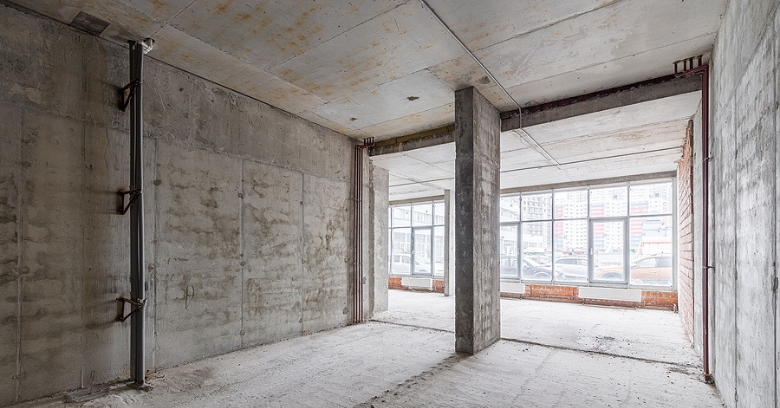
What Demolition Turns Up in an Existing Building
Interiors that have been remodeled more than once before can hide old repairs, abandoned lines, and altered framing. Older finishes and materials from another era, which may need testing before they are disturbed are far easier to handle when they were mentioned at the start.
If testing suggests that something needs special handling, the right move is to have the material identified and handled properly before it is disturbed. The requirements are specific and are followed to the letter, and the owner should hear about it before the work, not during it.
Choosing Finishes for a Space That Gets Heavy Use
A business interior is expected to look good under constant use. Materials chosen for how they age under daily use make a bigger difference to a commercial space than most owners expect.
Two things people notice right away are the sound of a room and the quality of its light. Open offices, dining rooms, and sanctuaries all have their own sound problems, and each has its own fixes, and good lighting design layers general light, task light, and accents.
Planning for Seating, Sound, and Sightlines
Every kind of assembly space is built around sightlines, sound, and safe movement. The number of people the room holds, how they move, and how quickly they can leave all depend on one another. High ceilings make lighting, sound treatment, and maintenance more involved, which is why a good plan for an assembly space is started well ahead of the work.
The Public Side of a Commercial Remodel
For many commercial owners and for most organizations that welcome the public, the storefront or entrance sets the tone before anyone steps inside. Parking surfaces, walkways, landscaping edges, and the entrance doors add up to the impression the building makes. Weather in the state is hard on exposed materials calls for materials chosen to hold up to sun and moisture.
Roofs, Drainage, and Parking: The Parts Nobody Sees Until They Fail
A typical commercial roof is built to hold water back and then shed it slowly, so proper drainage and sealed penetrations are the main defense against leaks. Hail, wind, and sun all take their turn on exposed roofing, and the interior plan should never ignore what is happening overhead.
The ground around the building matters for water management. Water that stands after a rain and ground that has moved with the clay are worth a look because they affect how the building holds up.
How to Keep Everyone Informed While Construction Is Under Way
Most complaints during a project come from people who were not told. Clear information about parking, entrances, and restroom access helps everyone plan around the work. A named contact for the owner and a named contact for the builder can prevent mixed messages.
When to Schedule Construction in a Working Building
The ideal window for construction is rarely the one that is convenient for the builder. Events, deadlines, and inspections all place dates on the calendar that cannot move, and the work is organized so the important dates are protected. Heavy rain and high temperatures change what can be poured, sealed, or painted, so outdoor phases are scheduled with some flexibility.
Landlords, Boards, and Committees: Getting Sign-Off
Churches and organizations usually answer to a board or committee. The lease usually spells out which changes need approval and from whom, and a board has to agree on scope and schedule. Agreeing on the approval path before work begins keeps a commercial project from stalling at the last minute.
Commercial punch lists are longer than residential ones. Operating manuals, keys, and records are handed to the owner as the work is completed, and that final stage is where a well-run project shows its quality.
Moving From Final Inspection to Reopening
At the end of the project, the final inspection from the local authority confirms the work meets code. A final walk-through with the owner, the manager, or the building committee follows once the space has been cleaned, and any remaining items go on a short list to be completed before the project is closed.
For a commercial space in Greater Bryan-College Station Area that needs Commercial Remodeling Contractors, Good Company Construction welcomes a first conversation about what the space has to do. Phone 979-401-2527 to talk through the details.