
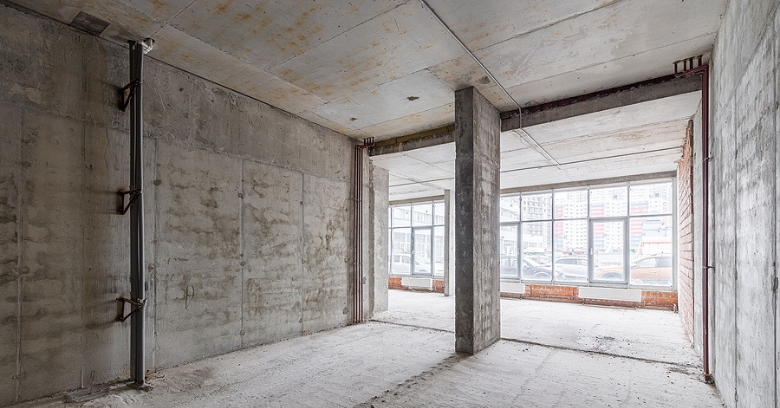
Comparing options for Commercial Remodeling in Greater Bryan-College Station Area?
Good Company Construction plans commercial renovations around the way the business or congregation actually operates around Greater Bryan-College Station Area businesses.
Ring 979-401-2527 to explain the timeline you are working against.
Design Follows Function in a Working Building
A manager or board member researching Commercial Remodeling in Greater Bryan-College Station Area tend to discover that the building is only half the question. A restaurant has to serve customers, an office has to answer phones, and a church has to hold services, and the contractor should ask about them before drawing a line.
On Commercial Remodeling, Good Company Construction asks what has to stay open, what can close, and how much time is available, because the answers decide the sequence of the whole job.
Keeping the Doors Open While Construction Goes On
In a building that cannot close, the work moves through the building in stages. Sealed partitions and covered floors keep dust and debris where they belong, and deliveries and tradespeople use a path that avoids customers.
Some of the work simply has to be done when the building is empty. The loudest, dustiest, or most intrusive steps are the kind of tasks planned for hours when the space is quiet.
Accessibility, Fire Safety, and Egress Come With the Territory
Commercial buildings that serve the public have to meet standards for access by people with disabilities, for fire safety, and for getting everyone out in an emergency. Altering a floor plan can bring the building under closer scrutiny, so a careful builder checks with the local authority early.
How a space is used decides which requirements apply. Sanctuaries, restaurant dining rooms, open offices, and retail floors have different rules for occupancy and egress. Local authorities in the state interpret and apply these standards in their own way, so the safe approach is to ask rather than assume.
Does the Building Have Enough Power and Cooling for the New Layout?
Moving walls and equipment shifts the demands on the building systems. More people in a space means more heat, more power, and more demand on ventilation, so the remodel plan should confirm what the systems can carry before the new layout is final. Phone, network, and security wiring are easiest to run while walls are open.
Existing Conditions Shape the Scope More Than the Drawings Do
Interiors that have been remodeled more than once before can hide old repairs, abandoned lines, and altered framing. Structural members cut for earlier equipment, and slabs with sleeves nobody remembers should be anticipated in the schedule and discussed with the owner in advance.
If testing suggests that something needs special handling, the work should pause until the question is answered. The proper process is set by regulation, not by the contractor's preference, and the owner should hear about it before the work, not during it.
Choosing Finishes for a Space That Gets Heavy Use
High-traffic buildings put real demands on every finish. Materials chosen for how they age under daily use are often the difference between a space that ages well and one that looks tired quickly.
Sound and light shape how a room feels. Careful choices about ceiling height, materials, and partitions control how voices carry, and lighting plans balance daylight, general illumination, and focused task light.
Large Gathering Rooms Raise Special Questions
A hall used for worship, for events, or for the community has to work for both large and small crowds. The number of people the room holds, how they move, and how quickly they can leave are tied to each other, so changing one affects the rest. Large-span ceilings and tall walls add their own construction questions, so it helps to choose a builder who has handled large rooms before.
Storefronts, Entrances, and the Face of the Building
For many commercial owners and for most organizations that welcome the public, the storefront or entrance sets the tone before anyone steps inside. Entry doors, glass, awnings, lighting, and signs add up to the impression the building makes. Exterior work in the weather of the region is wisely specified with durable materials and good drainage in mind.
Beyond the Interior: Roofs, Pavement, and Drainage
Most commercial roofs are designed very differently from a house roof, so drains, flashing, and rooftop equipment curbs matter a great deal. Intense heat expands and contracts the roof surface every day, and the seams take the strain, and it is better to find a leak path before the new ceiling goes up.
Parking areas and walkways are part of the same picture. Uneven walkways, worn striping, and drainage that has silted up can create safety and access problems that a remodel is a good chance to correct.
Communication During a Project in a Working Building
Good communication is half of getting through an occupied remodel. An update on what is closed this week, what opens next, and what to expect after hours lets people adapt before they are inconvenienced. A named contact for the owner and a named contact for the builder can prevent mixed messages.
Timing a Commercial Project Around the Calendar
A retail space, a school wing, and a sanctuary all have different peak times. Restaurants often choose the slowest weeks, while offices may prefer weekends or evenings, and the work is organized so the important dates are protected. Sudden storms, strong wind, and extreme summer heat can interrupt outdoor work for days at a time, so the finish date is set with weather in mind.
Decision Makers Who Shape a Commercial Project
A leased space adds a landlord to the list of people who must agree. The lease usually spells out which changes need approval and from whom, and a decision made by one person may not be final. Getting these approvals lined up early keeps the schedule realistic.
A last round of checks matters more when the public will walk through the door. Mechanical, electrical, and life-safety equipment are tested together with the finished spaces, and that final stage is where a well-run project shows its quality.
Finishing the Work and Handing the Space Back
When construction wraps up, the city or county signs off on the completed work. A final walk-through with the owner, the manager, or the building committee follows once the space has been cleaned, and any remaining items go on a short list to be completed before the project is closed.
When Commercial Remodeling is on the calendar in Greater Bryan-College Station Area, Good Company Construction is a sensible place to start a conversation about the project. Dial 979-401-2527 to begin sorting out the phases.