
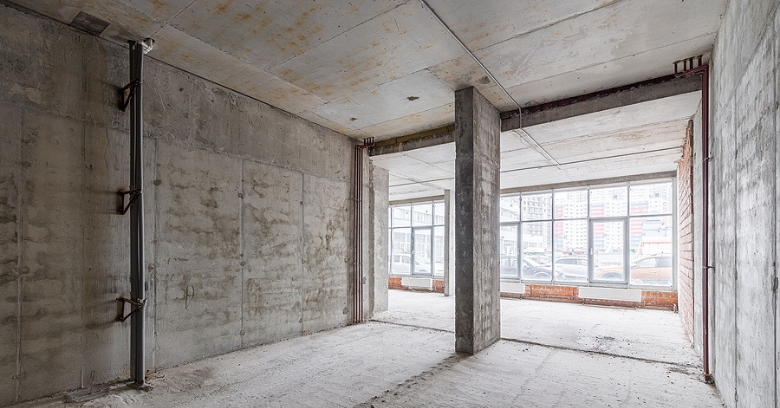
Comparing options for Commercial Renos in Greater Bryan-College Station Area?
Good Company Construction reworks existing commercial buildings with the schedule, the access, and the code questions in mind around Greater Bryan-College Station Area businesses.
Call 979-401-2527 to explain the timeline you are working against.
Every Commercial Update Begins With a Question About Daily Use
Owners who look into Commercial Renos in Greater Bryan-College Station Area soon learn the project is shaped by what happens inside the walls every day. A restaurant has to serve customers, an office has to answer phones, and a church has to hold services, and each of them changes how the work is staged.
Good Company Construction treats Commercial Renos as a scheduling puzzle before it is a construction project, because they decide whether work happens by day, at night, or in short phases.
Working in an Occupied Building: Phasing and Access
If the doors have to stay open during the work, the work moves through the building in stages. Barriers, floor protection, and clearly marked paths separate visitors from the work zone, and the loading route is planned so it does not cross the main entrance.
A few steps cannot be done around people. Shutting down power to a panel, cutting into a slab, or refinishing a floor belong to the part of the schedule that has the fewest people around.
What Changes in the Rules When a Building Serves the Public
Spaces where customers, clients, or members come and go come with requirements that cover accessible routes, fire separation, and the number and width of exits. Once the layout changes, the local office may want to see how the new plan handles access and exits, so the early planning should ask what the local office will expect.
How a space is used decides which requirements apply. Conference suites, church fellowship halls, salons, and storefronts each fall under their own set of expectations. Each jurisdiction sets its own process for plan checks and inspection, and why assumptions based on another town can be wrong.
Does the Building Have Enough Power and Cooling for the New Layout?
A commercial update often asks more from the systems than the original design did. Heat from equipment and people through a long hot summer puts real stress on cooling, so upgrades can be planned instead of improvised. Pathways for low-voltage cabling belong in the drawings from the start.
Existing Conditions Shape the Scope More Than the Drawings Do
A commercial property with a long history can hide old repairs, abandoned lines, and altered framing. Ceiling spaces crowded with old ductwork, wiring from past tenants, and pipes that run in unexpected directions should be anticipated in the schedule and discussed with the owner in advance.
If testing suggests that something needs special handling, the work should pause until the question is answered. The proper process is set by regulation, not by the contractor's preference, and the schedule is adjusted when it applies.
How the Inside of a Commercial Space Comes Together
Floors, walls, and doors in a public space see steady traffic. Materials chosen for how they age under daily use deserve a close look before anything is ordered.
Sound and light shape how a room feels. A ceiling treatment or a change in wall material can calm a noisy room, and the lighting layout is easiest to settle before the ceiling is closed.
Large Gathering Rooms Raise Special Questions
A room that hosts large groups has to work for both large and small crowds. Aisles, exits, platforms, and the way people enter and leave the room have to be considered together when the room is changed. Tall rooms bring structural, mechanical, and access questions, so it helps to choose a builder who has handled large rooms before.
Signs, Doors, and Curb Appeal for Business Properties
For many commercial owners and for most organizations that welcome the public, the entrance is the first thing a visitor sees. Parking surfaces, walkways, landscaping edges, and the entrance doors are all part of the same conversation. Finishes exposed to strong UV and heavy rain needs details that shed water and resist fading.
Beyond the Interior: Roofs, Pavement, and Drainage
Many commercial buildings have roofs that barely slope, so drains, flashing, and rooftop equipment curbs matter a great deal. Storms in the state can deliver a large amount of rain in a short time, and drains have to keep up, and a quick check of the roof before the interior is finished can prevent damage to new finishes.
Parking lots and entrances take a beating and affect how the building works. Water that stands after a rain and ground that has moved with the clay belong on the list of things to look at when the building gets an update.
Setting Expectations Before the Work Begins
A remodel is much easier on everyone when people know what is coming. Written notices, clear signs, and a calendar of upcoming phases helps everyone plan around the work. One person who answers questions for the building and one who answers for the work can keep decisions moving.
Planning Around the Rhythm of the Business Year
The ideal window for construction is rarely the one that is convenient for the builder. Events, deadlines, and inspections all place dates on the calendar that cannot move, and the plan should start from the dates the owner cannot change. Heavy rain and high temperatures change what can be poured, sealed, or painted, so the finish date is set with weather in mind.
Decision Makers Who Shape a Commercial Project
A leased space adds a landlord to the list of people who must agree. Lease terms can limit the work or require specific approvals, and a board has to agree on scope and schedule. Agreeing on the approval path before work begins saves a good deal of time later.
Commercial punch lists are longer than residential ones. Operating manuals, keys, and records are handed to the owner as the work is completed, and the people who will use the space deserve to know how it works.
Wrapping Up a Commercial Remodel
As the last trade leaves, an inspector checks the finished building. The contractor and the owner walk each area, and any remaining items go on a short list to be completed before the project is closed.
If your organization in Greater Bryan-College Station Area is ready to talk about Commercial Renos, Good Company Construction can begin with a conversation about the operation, the building, and the timeline. Dial 979-401-2527 to set up the first conversation.