
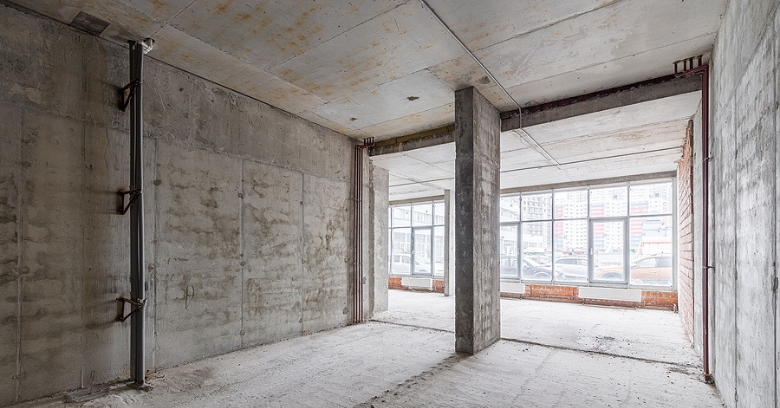
Getting ready to start Commercial Renovations in Greater Bryan-College Station Area?
Good Company Construction handles the building side of a commercial update so the owner can stay focused on the business throughout Greater Bryan-College Station Area businesses.
Reach out at 979-401-2527 to start with how your business uses the space today.
Before Anything Is Torn Out, Understand the Operation
Tenants and landlords comparing Commercial Renovations in Greater Bryan-College Station Area come to see that the work has to fit the way people use the space. Retail wants foot traffic, an office wants quiet, and a place of worship wants a sanctuary ready every weekend, and the schedule is only realistic if it respects them.
Good Company Construction treats Commercial Renovations as a scheduling puzzle before it is a construction project, because the construction sequence follows from them.
How Phasing Protects a Business During the Work
When customers, staff, or worshippers keep coming in, construction is organized area by area. Containment and clear wayfinding keep the building usable, and deliveries and tradespeople use a path that avoids customers.
Noisy or disruptive steps are often pushed to evenings and weekends. Tasks with dust, fumes, or utility shutoffs belong to the part of the schedule that has the fewest people around.
What Changes in the Rules When a Building Serves the Public
Offices, shops, and gathering spaces come with requirements that cover accessible routes, fire separation, and the number and width of exits. Changing a space may mean bringing related features up to current standards, so a careful builder checks with the local authority early.
A change in use is its own question. Meeting halls, clinics, classroom wings, and warehouse showrooms each fall under their own set of expectations. Each jurisdiction sets its own process for plan checks and inspection, which is another reason to talk to the local office early.
Electrical, Cooling, and Data Capacity in an Older Building
A commercial update often asks more from the systems than the original design did. Added equipment, new lighting, and denser seating all push on capacity, so capacity is checked early rather than discovered halfway through. Pathways for low-voltage cabling belong in the drawings from the start.
Opening the Walls: Surprises and How They Are Handled
Interiors that have been remodeled more than once before is rarely exactly what the old drawings show. Plumbing that no longer serves anything, wiring that nobody can trace, and framing changed for an earlier layout should be anticipated in the schedule and discussed with the owner in advance.
If testing suggests that something needs special handling, the right move is to have the material identified and handled properly before it is disturbed. There are formal procedures for anything that needs special treatment, and the schedule is adjusted when it applies.
Layout, Acoustics, and Finishes in a Working Interior
Floors, walls, and doors in a public space see steady traffic. Surfaces that handle foot traffic, carts, chairs, and cleaning deserve a close look before anything is ordered.
How a space sounds and how it is lit matter as much as how it looks. A ceiling treatment or a change in wall material can calm a noisy room, and lighting plans balance daylight, general illumination, and focused task light.
Remodeling a Place of Worship or Meeting Hall
A hall used for worship, for events, or for the community is built around sightlines, sound, and safe movement. Sight lines to the front, the sound system, and the lighting are part of a single plan. High ceilings make lighting, sound treatment, and maintenance more involved, so the schedule has to include those added steps.
Signs, Doors, and Curb Appeal for Business Properties
On properties that serve the public, the exterior is as important as the interior. Entry doors, glass, awnings, lighting, and signs are all part of the same conversation. Finishes exposed to strong UV and heavy rain needs details that shed water and resist fading.
Beyond the Interior: Roofs, Pavement, and Drainage
Many commercial buildings have roofs that barely slope, so the details around drains, edges, and equipment decide whether it stays dry. Intense heat expands and contracts the roof surface every day, and the seams take the strain, and a remodel is a sensible time to look at the roof and drainage while the building is already open.
Parking lots and entrances take a beating and affect how the building works. Water that stands after a rain and ground that has moved with the clay are common on older commercial sites and are easiest to deal with while contractors are already mobilized.
Communication During a Project in a Working Building
A remodel is much easier on everyone when people know what is coming. An update on what is closed this week, what opens next, and what to expect after hours lets people adapt before they are inconvenienced. A short chain of communication between the decision maker and the project lead can keep small issues from becoming big ones.
Seasons, Events, and Busy Periods Shape the Schedule
Every kind of building has a busy season and a quiet one. Seasonal businesses plan the work for their off season, and year-round businesses plan it in phases, and a realistic schedule includes room for weather and late deliveries. Exterior work depends on the weather as well, so the plan remains realistic when the forecast changes.
Decision Makers Who Shape a Commercial Project
Commercial projects often involve more than one decision maker, and the approvals do not always arrive in the order the schedule needs. The lease usually spells out which changes need approval and from whom, and a committee often has to sign off on design decisions. Getting these approvals lined up early saves a good deal of time later.
Before the doors reopen, a commercial space is checked from end to end. The systems that protect people in an emergency are checked before anyone is allowed back in, and that final stage is where a well-run project shows its quality.
The Last Steps Before the Doors Reopen
When construction wraps up, the final inspection from the local authority confirms the work meets code. A final walk-through with the owner, the manager, or the building committee follows once the space has been cleaned, and open items are resolved before the space is turned back over.
For owners and managers in Greater Bryan-College Station Area planning Commercial Renovations, Good Company Construction is ready to discuss how the work could be phased around daily use. Reach us at 979-401-2527 to begin sorting out the phases.