
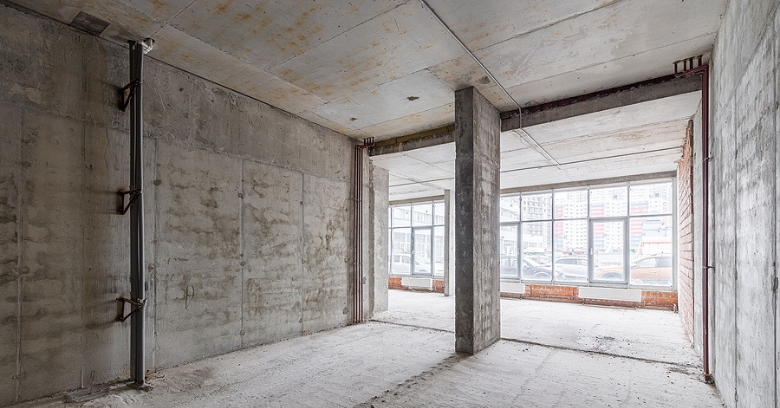
Planning Public Service Building Makeover Services in Greater Bryan-College Station Area?
Good Company Construction reworks existing commercial buildings with the schedule, the access, and the code questions in mind in Greater Bryan-College Station Area organizations.
Call 979-401-2527 to talk through what the building has to keep doing during the work.
Every Commercial Update Begins With a Question About Daily Use
A manager or board member researching Public Service Building Makeover Services in Greater Bryan-College Station Area soon learn the project is shaped by what happens inside the walls every day. A restaurant has to serve customers, an office has to answer phones, and a church has to hold services, and each of them changes how the work is staged.
With Public Service Building Makeover Services, Good Company Construction starts by learning the daily and weekly rhythm of the building, because the construction sequence follows from them.
Keeping the Doors Open While Construction Goes On
When a building has to stay in use, the project is broken into sections that can be sealed off. Containment and clear wayfinding keep the building usable, and noisy tasks are scheduled away from quiet hours.
Certain tasks are ideally done after closing. Cutting concrete, running a loud saw, or taking the water off for a connection belong to the part of the schedule that has the fewest people around.
Life Safety Is Part of Every Commercial Update
Any building open to visitors come with requirements that cover accessible routes, fire separation, and the number and width of exits. Altering a floor plan can bring the building under closer scrutiny, so it pays to learn the local requirements before the drawings are final.
A change in use is its own question. Places of worship, offices, dining rooms, and stores do not all carry the same requirements. Each jurisdiction sets its own process for plan checks and inspection, and why assumptions based on another town can be wrong.
Systems Behind the Walls Set the Limits of a Remodel
Rearranging a space rearranges its utility needs. Added equipment, new lighting, and denser seating all push on capacity, so capacity is checked early rather than discovered halfway through. Data cabling, security, and audio-visual needs deserve a place in the plan as well.
Opening the Walls: Surprises and How They Are Handled
Interiors that have been remodeled more than once before usually has a few secrets above the ceiling and inside the walls. Plumbing that no longer serves anything, wiring that nobody can trace, and framing changed for an earlier layout belong on the list of reasonable possibilities before the first wall comes down.
With buildings from certain eras, testing comes first and demolition second. There are formal procedures for anything that needs special treatment, and it is better to know early than to be surprised.
How the Inside of a Commercial Space Comes Together
High-traffic buildings put real demands on every finish. Surfaces that handle foot traffic, carts, chairs, and cleaning should be chosen with maintenance in mind.
Noise and lighting levels affect comfort more than most people realize. Hard surfaces make a room echo, while ceilings, wall panels, and soft finishes absorb sound, and the placement of fixtures should follow how the room is used.
Planning for Seating, Sound, and Sightlines
Every kind of assembly space is built around sightlines, sound, and safe movement. Sight lines to the front, the sound system, and the lighting all depend on one another. Wide spans and high walls change how the work is staged, so schedules for these rooms need extra planning.
Signs, Doors, and Curb Appeal for Business Properties
For congregations and organizations that welcome visitors, the storefront or entrance sets the tone before anyone steps inside. The entrance, the lighting at night, the signage, and the surrounding walkways are all part of the same conversation. Anything outdoors in a climate with strong sun and sudden storms needs details that shed water and resist fading.
Beyond the Interior: Roofs, Pavement, and Drainage
Many commercial buildings have roofs that barely slope, so drains, flashing, and rooftop equipment curbs matter a great deal. Heavy downpours, summer heat, and strong sun put the membrane and the seams under stress across the state, and it is better to find a leak path before the new ceiling goes up.
Parking lots and entrances take a beating and affect how the building works. Ponding at the entrance, settling near the building, and slopes that send water toward the doors are worth a look because they affect how the building holds up.
Communication During a Project in a Working Building
People handle disruption well when they know when, where, and how long. A brief weekly summary shared with staff, tenants, or the congregation helps everyone plan around the work. A named contact for the owner and a named contact for the builder can keep decisions moving.
Choosing the Right Weeks for the Work
Every kind of building has a busy season and a quiet one. Restaurants often choose the slowest weeks, while offices may prefer weekends or evenings, and a realistic schedule includes room for weather and late deliveries. Roofing, paving, painting, and other outdoor tasks cannot proceed in a heavy storm, so outdoor phases are scheduled with some flexibility.
Approvals Beyond the Building Office
Commercial projects often involve more than one decision maker, and the approvals do not always arrive in the order the schedule needs. The lease usually spells out which changes need approval and from whom, and a committee often has to sign off on design decisions. Identifying the decision makers before the drawings are final keeps the schedule realistic.
Commercial punch lists are longer than residential ones. Mechanical, electrical, and life-safety equipment are tested together with the finished spaces, and the people who will use the space deserve to know how it works.
The Last Steps Before the Doors Reopen
When construction wraps up, the city or county signs off on the completed work. A final walk-through with the owner, the manager, or the building committee follows once the space has been cleaned, and touch-ups are written down and completed.
For owners and managers in Greater Bryan-College Station Area planning Public Service Building Makeover Services, Good Company Construction is ready to discuss how the work could be phased around daily use. Dial 979-401-2527 to set up the first conversation.