
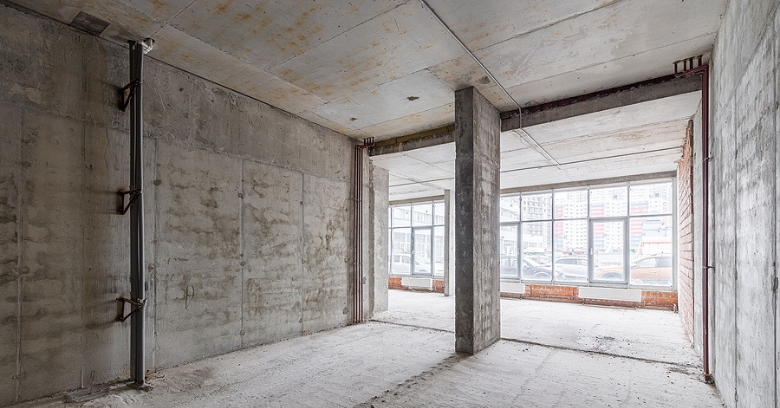
Need Public Service Building Remodel Companies in Greater Bryan-College Station Area?
Good Company Construction plans commercial renovations around the way the business or congregation actually operates in Greater Bryan-College Station Area organizations.
Dial 979-401-2527 to explain the timeline you are working against.
The Business Comes First, Then the Building
Owners who look into Public Service Building Remodel Companies in Greater Bryan-College Station Area find that the hardest part is keeping the place working while it changes. Retail wants foot traffic, an office wants quiet, and a place of worship wants a sanctuary ready every weekend, and the schedule is only realistic if it respects them.
Good Company Construction treats Public Service Building Remodel Companies as a scheduling puzzle before it is a construction project, because the answers decide the sequence of the whole job.
Staying Open Through a Renovation
When a building has to stay in use, construction is organized area by area. Signs, detours, and protected routes help people reach what they came for, and a separate entrance for workers and materials keeps the front door clear.
Work that affects power, water, or access is often scheduled for off hours. The loudest, dustiest, or most intrusive steps are the kind of tasks planned for hours when the space is quiet.
Accessibility, Fire Safety, and Egress Come With the Territory
Rooms used by large numbers of people are held to rules on accessibility, fire protection, and safe exits that a house does not face. Altering a floor plan can bring the building under closer scrutiny, so the plan has to account for the rules from the beginning.
How a space is used decides which requirements apply. Places of worship, offices, dining rooms, and stores have different rules for occupancy and egress. Rules differ from city to city and county to county across the state, which is another reason to talk to the local office early.
Planning Utilities Before Drawing the New Layout
A commercial update often asks more from the systems than the original design did. Added equipment, new lighting, and denser seating all push on capacity, so capacity is checked early rather than discovered halfway through. Low-voltage systems should be laid out at the same time as the walls.
Existing Conditions Shape the Scope More Than the Drawings Do
A building that has served several tenants or decades of use can hide old repairs, abandoned lines, and altered framing. Ceiling spaces crowded with old ductwork, wiring from past tenants, and pipes that run in unexpected directions are found often enough that the plan should allow time for them.
With buildings from certain eras, testing comes first and demolition second. There are formal procedures for anything that needs special treatment, and the schedule is adjusted when it applies.
How the Inside of a Commercial Space Comes Together
A space used by many people every day needs tougher surfaces. Flooring that resists scuffs, wall surfaces that clean easily, and doors and hardware built for heavy use make a bigger difference to a commercial space than most owners expect.
Sound and light shape how a room feels. Careful choices about ceiling height, materials, and partitions control how voices carry, and the lighting layout is easiest to settle before the ceiling is closed.
Planning for Seating, Sound, and Sightlines
A sanctuary, fellowship hall, or large meeting room needs to seat many people comfortably. The sound system, the lighting, and the layout of seating and aisles all depend on one another. Large-span ceilings and tall walls add their own construction questions, so schedules for these rooms need extra planning.
Storefronts, Entrances, and the Face of the Building
For a business that depends on walk-in traffic, how the front of the building looks is part of how the organization is judged. Doors, windows, canopies, and exterior finishes add up to the impression the building makes. Anything outdoors in a climate with strong sun and sudden storms needs details that shed water and resist fading.
Beyond the Interior: Roofs, Pavement, and Drainage
Low-slope roofs and flat roofs are the norm on shops and offices, so the details around drains, edges, and equipment decide whether it stays dry. Storms in the state can deliver a large amount of rain in a short time, and drains have to keep up, and a remodel is a sensible time to look at the roof and drainage while the building is already open.
The ground around the building matters for water management. Ponding at the entrance, settling near the building, and slopes that send water toward the doors belong on the list of things to look at when the building gets an update.
Telling Staff, Customers, and Members What to Expect
Most complaints during a project come from people who were not told. Written notices, clear signs, and a calendar of upcoming phases helps everyone plan around the work. One person who answers questions for the building and one who answers for the work can keep decisions moving.
Seasons, Events, and Busy Periods Shape the Schedule
Businesses and congregations run on calendars that the construction schedule has to respect. Stores want to be finished before the holiday rush, congregations before the major services of the year, and offices before a lease or a move, and the work is organized so the important dates are protected. Roofing, paving, painting, and other outdoor tasks cannot proceed in a heavy storm, so outdoor phases are scheduled with some flexibility.
Who Has to Say Yes on a Leased or Shared Property
Different people hold different pieces of the approval. A tenant may need the landlord's approval for changes to walls, systems, or the exterior, and a committee often has to sign off on design decisions. Agreeing on the approval path before work begins keeps the schedule realistic.
Closing out a commercial job involves more than a final sweep. Mechanical, electrical, and life-safety equipment are tested together with the finished spaces, and the people who will use the space deserve to know how it works.
Wrapping Up a Commercial Remodel
When construction wraps up, the local building office performs its final inspection. A final walk-through with the owner, the manager, or the building committee follows once the space has been cleaned, and any remaining items go on a short list to be completed before the project is closed.
If your organization in Greater Bryan-College Station Area is ready to talk about Public Service Building Remodel Companies, Good Company Construction can explain how a project like yours would be staged and scheduled. Get in touch at 979-401-2527 to set up the first conversation.