
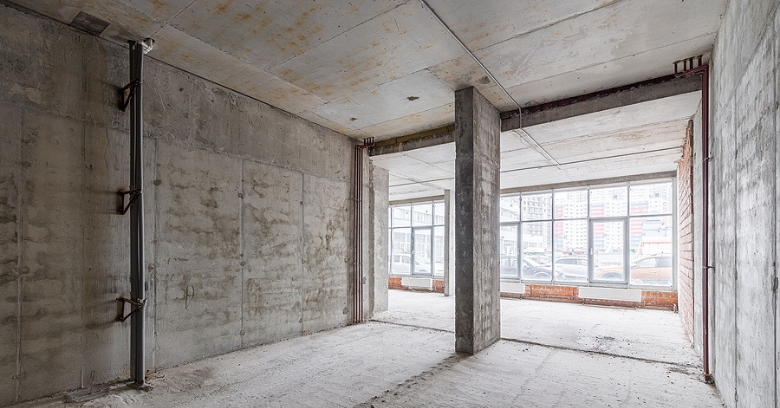
Comparing options for Public Service Building Reno Services in Greater Bryan-College Station Area?
Good Company Construction renovates offices, shops, and gathering spaces while the people who use them keep working for Greater Bryan-College Station Area building owners.
Phone 979-401-2527 to ask how a commercial project like yours would be phased.
The Business Comes First, Then the Building
Tenants and landlords comparing Public Service Building Reno Services in Greater Bryan-College Station Area tend to discover that the building is only half the question. Retail wants foot traffic, an office wants quiet, and a place of worship wants a sanctuary ready every weekend, and each of them changes how the work is staged.
With Public Service Building Reno Services, Good Company Construction starts by learning the daily and weekly rhythm of the building, because the answers decide the sequence of the whole job.
Keeping the Doors Open While Construction Goes On
When a building has to stay in use, the contractor splits the job into zones and finishes one before opening the next. Temporary walls, dust barriers, and protected walkways keep the public away from the work, and deliveries and tradespeople use a path that avoids customers.
Certain tasks are ideally done after closing. Tying into plumbing, switching over electrical service, or applying coatings that smell and need to cure are timed to cause the smallest interruption.
What Changes in the Rules When a Building Serves the Public
Commercial buildings that serve the public are held to rules on accessibility, fire protection, and safe exits that a house does not face. A remodel can trigger a closer look at those items, so those questions belong in the first meeting and not the last.
The way a building is classified also shapes the rules. Meeting halls, clinics, classroom wings, and warehouse showrooms are treated differently by the codes that govern them. Each jurisdiction sets its own process for plan checks and inspection, which makes it wise to confirm the local process before design is finished.
Systems Behind the Walls Set the Limits of a Remodel
A new layout changes where heat, power, and data are needed. Modern equipment and a fuller floor can strain a panel that was installed long ago, so the existing equipment is evaluated while the plan can still change. Pathways for low-voltage cabling belong in the drawings from the start.
Hidden Conditions in Aging Commercial Space
A commercial property with a long history often holds conditions nobody drew on a plan. Plumbing that no longer serves anything, wiring that nobody can trace, and framing changed for an earlier layout are far easier to handle when they were mentioned at the start.
Where older materials are involved, the sensible step is to find out before demolition starts. There are formal procedures for anything that needs special treatment, and a good builder is clear with the owner about how that part of the job works.
Layout, Acoustics, and Finishes in a Working Interior
Commercial interiors take more wear than most homes do. Materials chosen for how they age under daily use deserve a close look before anything is ordered.
Two things people notice right away are the sound of a room and the quality of its light. Where a space needs quiet, walls and ceilings are built to keep sound in its place, and the placement of fixtures should follow how the room is used.
Sanctuaries and Assembly Spaces Have Their Own Needs
Any space designed to hold a gathering serves a purpose that most other rooms do not. Sight lines to the front, the sound system, and the lighting have to be considered together when the room is changed. Large-span ceilings and tall walls add their own construction questions, which is why a good plan for an assembly space is started well ahead of the work.
Exterior Updates That Change How a Building Is Seen
For congregations and organizations that welcome visitors, the exterior is as important as the interior. Doors, windows, canopies, and exterior finishes are easier to handle when considered together. Anything outdoors in a climate with strong sun and sudden storms needs details that shed water and resist fading.
Site and Shell Work Around a Commercial Building
A typical commercial roof is built to hold water back and then shed it slowly, so the roof needs to be checked whenever the interior below is being changed. Heavy downpours, summer heat, and strong sun put the membrane and the seams under stress across the state, and a quick check of the roof before the interior is finished can prevent damage to new finishes.
The ground around the building matters for water management. Ponding at the entrance, settling near the building, and slopes that send water toward the doors belong on the list of things to look at when the building gets an update.
Notices, Schedules, and a Single Point of Contact
Good communication is half of getting through an occupied remodel. A brief weekly summary shared with staff, tenants, or the congregation cuts down on questions and complaints. A short chain of communication between the decision maker and the project lead can prevent mixed messages.
Planning Around the Rhythm of the Business Year
Businesses and congregations run on calendars that the construction schedule has to respect. Restaurants often choose the slowest weeks, while offices may prefer weekends or evenings, and the plan should start from the dates the owner cannot change. Sudden storms, strong wind, and extreme summer heat can interrupt outdoor work for days at a time, so the finish date is set with weather in mind.
Who Has to Say Yes on a Leased or Shared Property
Several parties may need to approve a remodel before it starts. The lease usually spells out which changes need approval and from whom, and an organization may need several meetings before a plan is settled. Making a list of every required sign-off saves a good deal of time later.
The final stage of a commercial project has its own checklist. The systems that protect people in an emergency are checked before anyone is allowed back in, and the owner should expect a walk-through of every area, not just the finished showpiece rooms.
The Last Steps Before the Doors Reopen
At the end of the project, the final inspection from the local authority confirms the work meets code. The owner or committee goes through the space with the contractor, and touch-ups are written down and completed.
When Public Service Building Reno Services is on the calendar in Greater Bryan-College Station Area, Good Company Construction welcomes a first conversation about what the space has to do. Call 979-401-2527 to describe your building and your plans.