
Weighing Retail Building Makeover Contractors in Greater Bryan-College Station Area?
Good Company Construction renovates offices, shops, and gathering spaces while the people who use them keep working around Greater Bryan-College Station Area building owners.
Phone 979-401-2527 to talk through what the building has to keep doing during the work.
Before Anything Is Torn Out, Understand the Operation
Decision makers who begin with Retail Building Makeover Contractors in Greater Bryan-College Station Area tend to discover that the building is only half the question. A clinic cannot lose its waiting room for a month, a showroom cannot hide its displays, and a school wing cannot lose its classrooms mid-term, and each of them changes how the work is staged.
Good Company Construction treats Retail Building Makeover Contractors as a scheduling puzzle before it is a construction project, because the answers decide the sequence of the whole job.
Working in an Occupied Building: Phasing and Access
For projects in occupied spaces, the work is divided into phases that isolate one area at a time. Signs, detours, and protected routes help people reach what they came for, and worker access stays out of the public eye.
Noisy or disruptive steps are often pushed to evenings and weekends. Shutting down power to a panel, cutting into a slab, or refinishing a floor are put on the calendar well ahead so the owner can plan around them.
What Changes in the Rules When a Building Serves the Public
Commercial buildings that serve the public come with requirements that cover accessible routes, fire separation, and the number and width of exits. The scope of the work often decides how much of the building has to be looked at again, so the early planning should ask what the local office will expect.
What the building is used for sets the baseline. Places of worship, offices, dining rooms, and stores sit in different categories for fire and safety planning. Plan-check practices vary from one jurisdiction to another, which makes it wise to confirm the local process before design is finished.
Planning Utilities Before Drawing the New Layout
A commercial update often asks more from the systems than the original design did. Extra computers, kitchen equipment, lighting, and cooling load can outgrow an old electrical panel, so the remodel plan should confirm what the systems can carry before the new layout is final. Phone, network, and security wiring are easiest to run while walls are open.
What Demolition Turns Up in an Existing Building
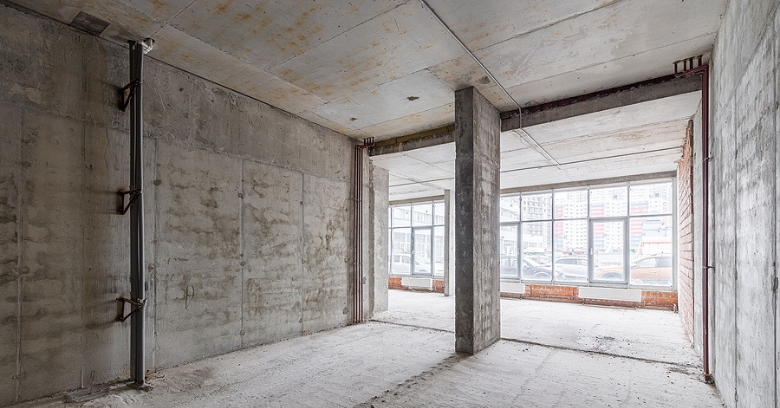
A building that has served several tenants or decades of use can hide old repairs, abandoned lines, and altered framing. Structural members cut for earlier equipment, and slabs with sleeves nobody remembers should be anticipated in the schedule and discussed with the owner in advance.
If testing suggests that something needs special handling, the first priority is a proper assessment, not guesswork. There are formal procedures for anything that needs special treatment, and a good builder is clear with the owner about how that part of the job works.
How the Inside of a Commercial Space Comes Together
Floors, walls, and doors in a public space see steady traffic. Flooring that resists scuffs, wall surfaces that clean easily, and doors and hardware built for heavy use should be chosen with maintenance in mind.
Acoustics and lighting do a lot of the work in a finished space. Where a space needs quiet, walls and ceilings are built to keep sound in its place, and the lighting layout is easiest to settle before the ceiling is closed.
Sanctuaries and Assembly Spaces Have Their Own Needs
A sanctuary, fellowship hall, or large meeting room serves a purpose that most other rooms do not. The sound system, the lighting, and the layout of seating and aisles cannot be treated as separate decisions. Tall rooms bring structural, mechanical, and access questions, so it helps to choose a builder who has handled large rooms before.
Storefronts, Entrances, and the Face of the Building
For a business that depends on walk-in traffic, the entrance is the first thing a visitor sees. Exterior paint, trim, glazing, and the entry doors are all part of the same conversation. Finishes exposed to strong UV and heavy rain is wisely specified with durable materials and good drainage in mind.
Beyond the Interior: Roofs, Pavement, and Drainage
Commercial roofs are usually flat or low-slope, so the roof needs to be checked whenever the interior below is being changed. Sudden storms and long periods of strong sun age roofing materials faster than many owners expect, and a quick check of the roof before the interior is finished can prevent damage to new finishes.
The ground around the building matters for water management. Water that stands after a rain and ground that has moved with the clay belong on the list of things to look at when the building gets an update.
Setting Expectations Before the Work Begins
Most complaints during a project come from people who were not told. Written notices, clear signs, and a calendar of upcoming phases cuts down on questions and complaints. One person on the owner side and one on the contractor side can keep small issues from becoming big ones.
Choosing the Right Weeks for the Work
Commercial buildings do not all slow down at the same time of year. Seasonal businesses plan the work for their off season, and year-round businesses plan it in phases, and the work is organized so the important dates are protected. Exterior work depends on the weather as well, so a little extra time is built in for the days that cannot be worked.
Decision Makers Who Shape a Commercial Project
Different people hold different pieces of the approval. A tenant may need the landlord's approval for changes to walls, systems, or the exterior, and a congregation may need a vote or a building committee to approve the plan. Sorting out who approves what at the start helps everyone understand the timeline.
A last round of checks matters more when the public will walk through the door. The systems that protect people in an emergency are checked before anyone is allowed back in, and any open items are listed with dates for completion.
Wrapping Up a Commercial Remodel
At the end of the project, an inspector checks the finished building. A final walk-through with the owner, the manager, or the building committee follows once the space has been cleaned, and any remaining items go on a short list to be completed before the project is closed.
If your organization in Greater Bryan-College Station Area is ready to talk about Retail Building Makeover Contractors, Good Company Construction welcomes a first conversation about what the space has to do. Call 979-401-2527 to begin sorting out the phases.