
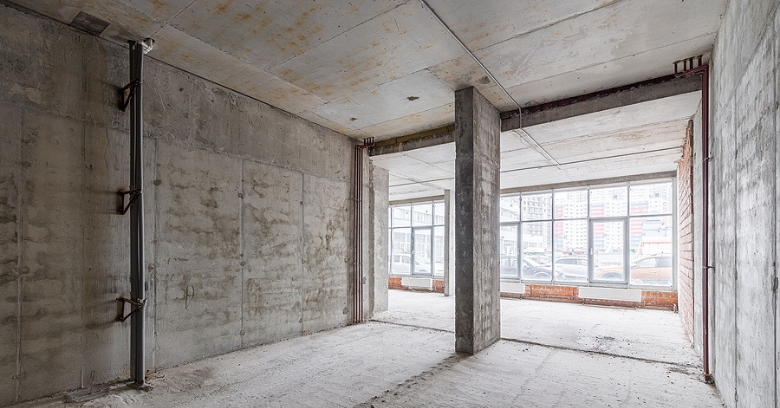
Planning Retail Building Makeovers in Greater Bryan-College Station Area?
Good Company Construction handles the building side of a commercial update so the owner can stay focused on the business in Greater Bryan-College Station Area tenants.
Reach out at 979-401-2527 to explain the timeline you are working against.
Every Commercial Update Begins With a Question About Daily Use
A manager or board member researching Retail Building Makeovers in Greater Bryan-College Station Area come to see that the work has to fit the way people use the space. Retail wants foot traffic, an office wants quiet, and a place of worship wants a sanctuary ready every weekend, and a good remodel plan is written around those facts.
Good Company Construction begins Retail Building Makeovers with questions about the operation, because they decide where the work zones go.
Keeping the Doors Open While Construction Goes On
In a building that cannot close, construction is organized area by area. Temporary walls, dust barriers, and protected walkways keep the public away from the work, and a separate entrance for workers and materials keeps the front door clear.
Work that affects power, water, or access is often scheduled for off hours. Tying into plumbing, switching over electrical service, or applying coatings that smell and need to cure belong to the part of the schedule that has the fewest people around.
Life Safety Is Part of Every Commercial Update
Spaces where customers, clients, or members come and go are held to rules on accessibility, fire protection, and safe exits that a house does not face. Altering a floor plan can bring the building under closer scrutiny, so a careful builder checks with the local authority early.
A change in use is its own question. Places of worship, offices, dining rooms, and stores have different rules for occupancy and egress. Local authorities in the state interpret and apply these standards in their own way, which makes it wise to confirm the local process before design is finished.
Planning Utilities Before Drawing the New Layout
A new layout changes where heat, power, and data are needed. More people in a space means more heat, more power, and more demand on ventilation, so the remodel plan should confirm what the systems can carry before the new layout is final. Cabling for networks and audio systems is far easier to install during construction than after.
Existing Conditions Shape the Scope More Than the Drawings Do
A commercial property with a long history often holds conditions nobody drew on a plan. Walls that were moved, floors that were patched, and openings that were closed in without much record should be anticipated in the schedule and discussed with the owner in advance.
With buildings from certain eras, the sensible step is to find out before demolition starts. Rules for handling and disposal come from state and federal authorities, and a good builder is clear with the owner about how that part of the job works.
Making Interior Space Fit the People Who Use It
A space used by many people every day needs tougher surfaces. Materials chosen for how they age under daily use are worth more attention than they get in a quick plan.
Two things people notice right away are the sound of a room and the quality of its light. Where a space needs quiet, walls and ceilings are built to keep sound in its place, and good lighting design layers general light, task light, and accents.
Large Gathering Rooms Raise Special Questions
A hall used for worship, for events, or for the community needs to seat many people comfortably. Aisles, exits, platforms, and the way people enter and leave the room are tied to each other, so changing one affects the rest. Large-span ceilings and tall walls add their own construction questions, which is why a good plan for an assembly space is started well ahead of the work.
The Public Side of a Commercial Remodel
When the building is part of the brand, the storefront or entrance sets the tone before anyone steps inside. Exterior paint, trim, glazing, and the entry doors should be planned as a unit. Exterior work in the weather of the region is wisely specified with durable materials and good drainage in mind.
Why the Exterior Shell Belongs in the Remodel Conversation
Many commercial buildings have roofs that barely slope, so drains, flashing, and rooftop equipment curbs matter a great deal. Sudden storms and long periods of strong sun age roofing materials faster than many owners expect, and a remodel is a sensible time to look at the roof and drainage while the building is already open.
Parking lots and entrances take a beating and affect how the building works. Cracked pavement, low spots, and drains that no longer carry water away belong on the list of things to look at when the building gets an update.
How to Keep Everyone Informed While Construction Is Under Way
Good communication is half of getting through an occupied remodel. Clear information about parking, entrances, and restroom access cuts down on questions and complaints. One person on the owner side and one on the contractor side can keep small issues from becoming big ones.
Choosing the Right Weeks for the Work
Commercial buildings do not all slow down at the same time of year. Events, deadlines, and inspections all place dates on the calendar that cannot move, and the owner should say early which dates matter most. Sudden storms, strong wind, and extreme summer heat can interrupt outdoor work for days at a time, so a little extra time is built in for the days that cannot be worked.
Landlords, Boards, and Committees: Getting Sign-Off
A leased space adds a landlord to the list of people who must agree. A tenant may need the landlord's approval for changes to walls, systems, or the exterior, and a committee often has to sign off on design decisions. Sorting out who approves what at the start helps everyone understand the timeline.
The final stage of a commercial project has its own checklist. The systems that protect people in an emergency are checked before anyone is allowed back in, and a careful hand-off makes the first weeks in the renovated space far smoother.
Finishing the Work and Handing the Space Back
Once the new space is ready, an inspector checks the finished building. A final walk-through with the owner, the manager, or the building committee follows once the space has been cleaned, and open items are resolved before the space is turned back over.
For owners and managers in Greater Bryan-College Station Area planning Retail Building Makeovers, Good Company Construction is a sensible place to start a conversation about the project. Dial 979-401-2527 to share what the space needs to do.