
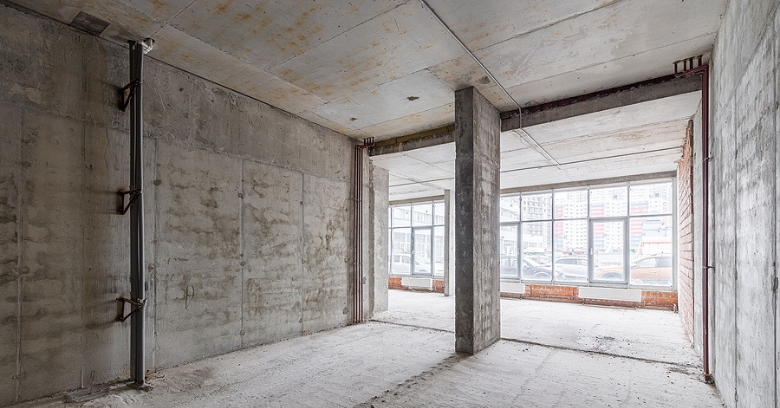
Getting ready to start Retail Building Renovations in Greater Bryan-College Station Area?
Good Company Construction plans commercial renovations around the way the business or congregation actually operates across Greater Bryan-College Station Area businesses.
Ring 979-401-2527 to ask how a commercial project like yours would be phased.
Every Commercial Update Begins With a Question About Daily Use
Owners who look into Retail Building Renovations in Greater Bryan-College Station Area find that the hardest part is keeping the place working while it changes. A clinic cannot lose its waiting room for a month, a showroom cannot hide its displays, and a school wing cannot lose its classrooms mid-term, and the contractor should ask about them before drawing a line.
With Retail Building Renovations, Good Company Construction starts by learning the daily and weekly rhythm of the building, because they decide whether work happens by day, at night, or in short phases.
How Phasing Protects a Business During the Work
When customers, staff, or worshippers keep coming in, the work moves through the building in stages. Barriers, floor protection, and clearly marked paths separate visitors from the work zone, and a separate entrance for workers and materials keeps the front door clear.
Work that affects power, water, or access is often scheduled for off hours. Tasks with dust, fumes, or utility shutoffs belong to the part of the schedule that has the fewest people around.
What Changes in the Rules When a Building Serves the Public
Any building open to visitors come with requirements that cover accessible routes, fire separation, and the number and width of exits. Altering a floor plan can bring the building under closer scrutiny, so those questions belong in the first meeting and not the last.
Occupancy type matters too. Places of worship, offices, dining rooms, and stores have different rules for occupancy and egress. Plan-check practices vary from one jurisdiction to another, so the safe approach is to ask rather than assume.
Does the Building Have Enough Power and Cooling for the New Layout?
Rearranging a space rearranges its utility needs. Heat from equipment and people through a long hot summer puts real stress on cooling, so capacity is checked early rather than discovered halfway through. Pathways for low-voltage cabling belong in the drawings from the start.
What Demolition Turns Up in an Existing Building
A building that has served several tenants or decades of use tends to reveal its history when demolition starts. Ceiling spaces crowded with old ductwork, wiring from past tenants, and pipes that run in unexpected directions should be anticipated in the schedule and discussed with the owner in advance.
When the age of a building raises questions about its materials, testing comes first and demolition second. There are formal procedures for anything that needs special treatment, and an honest conversation at the start avoids confusion later.
How the Inside of a Commercial Space Comes Together
A space used by many people every day needs tougher surfaces. Flooring that resists scuffs, wall surfaces that clean easily, and doors and hardware built for heavy use make a bigger difference to a commercial space than most owners expect.
Noise and lighting levels affect comfort more than most people realize. A ceiling treatment or a change in wall material can calm a noisy room, and layered lighting makes a space more comfortable to work or gather in.
Remodeling a Place of Worship or Meeting Hall
Any space designed to hold a gathering is built around sightlines, sound, and safe movement. Sight lines to the front, the sound system, and the lighting are tied to each other, so changing one affects the rest. Work at height needs planning, equipment, and time, so it helps to choose a builder who has handled large rooms before.
First Impressions Are Part of the Project
On properties that serve the public, the storefront or entrance sets the tone before anyone steps inside. Doors, windows, canopies, and exterior finishes are all part of the same conversation. Surfaces facing summer heat and wind-driven rain is wisely specified with durable materials and good drainage in mind.
Beyond the Interior: Roofs, Pavement, and Drainage
A typical commercial roof is built to hold water back and then shed it slowly, so drains, flashing, and rooftop equipment curbs matter a great deal. Hail, wind, and sun all take their turn on exposed roofing, and the interior plan should never ignore what is happening overhead.
Parking areas and walkways are part of the same picture. Cracked pavement, low spots, and drains that no longer carry water away are worth a look because they affect how the building holds up.
Communication During a Project in a Working Building
A remodel is much easier on everyone when people know what is coming. A brief weekly summary shared with staff, tenants, or the congregation cuts down on questions and complaints. A single point of contact on each side can keep decisions moving.
Choosing the Right Weeks for the Work
Every kind of building has a busy season and a quiet one. Events, deadlines, and inspections all place dates on the calendar that cannot move, and a good contractor builds the schedule backward from those dates. Roofing, paving, painting, and other outdoor tasks cannot proceed in a heavy storm, so a little extra time is built in for the days that cannot be worked.
Who Has to Say Yes on a Leased or Shared Property
Churches and organizations usually answer to a board or committee. A tenant may need the landlord's approval for changes to walls, systems, or the exterior, and an organization may need several meetings before a plan is settled. Identifying the decision makers before the drawings are final saves a good deal of time later.
A last round of checks matters more when the public will walk through the door. The systems that protect people in an emergency are checked before anyone is allowed back in, and a careful hand-off makes the first weeks in the renovated space far smoother.
Finishing the Work and Handing the Space Back
As the last of the work finishes and the trades begin to clear out, the local office looks over the completed project. A last look at every room happens before the handover, and touch-ups are written down and completed.
If your organization in Greater Bryan-College Station Area is ready to talk about Retail Building Renovations, Good Company Construction can explain how a project like yours would be staged and scheduled. Call 979-401-2527 to talk through the details.