
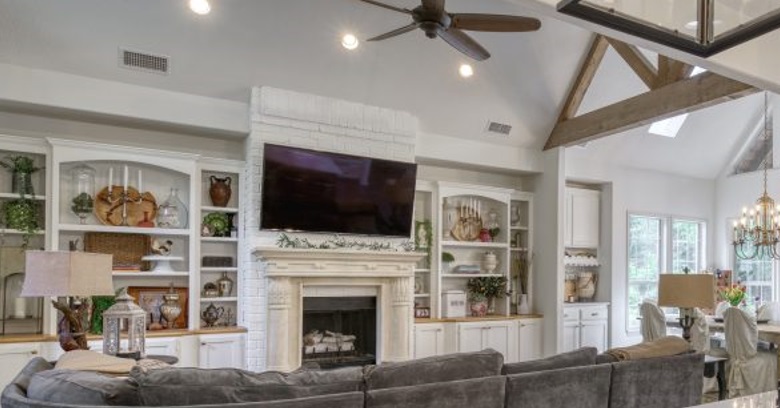
Looking for Additions to Home in Greater Bryan-College Station Area?
Good Company Construction manages the design, the trades, and the schedule on larger home projects within Greater Bryan-College Station Area households.
Ring 979-401-2527 to see how your project could be organized.
What a General Contractor Actually Does
Anyone researching Additions to Home in Greater Bryan-College Station Area soon learns that the title covers a lot of ground. A general contractor holds the contract for the whole project. That firm hires and schedules the specialists who do each part, and it answers for the result.
It is more about managing work than doing one kind of it, and it calls for a different set of skills. Every trade has its own tools, methods, and rules, but a project fails or succeeds on how well they fit together. With Additions to Home, Good Company Construction keeps one master plan that every trade works from, and every phase is planned with the next one in mind.
Two Common Paths From Idea to Finished Home
Under a design-build approach, the same firm handles both the design and the construction. It means the people who will build it help shape what gets drawn, and the owner deals with one point of contact.
Some owners prefer to have the plans drawn independently, and it gives the owner two points of view. That produces a full set of plans that can be shared with different builders, which suits owners who want an independent designer with a particular vision. Each approach fits some projects and not others, and the choice rarely stops a project involving Additions to Home from moving forward.
Adding Space Means Changing the Structure
An addition to an existing home has to be joined to a house that was built to different standards. Two foundations of different ages move differently, and the connection has to allow for that, and flashing and slope at the junction decide whether it stays dry. Extra square footage can overtax a system sized for the original rooms, and the result affects comfort for years.
Framing is the quiet center of most additions, and the rest of the job depends on it. Walls that are plumb, floors that are level, and openings that are square set the stage for a clean finish. Framers and finish carpenters agree, and the answer is that corrections get harder with every layer that goes on top.
Making an Addition Look Like It Was Always There
An addition that is built well can still look out of place, when the exterior details were chosen separately. Weathered exterior materials rarely match fresh ones perfectly, and the owner should see the options before anything is ordered.
Roof shape is the detail most people notice first, and it is easy to see from the street. Keeping the same slope and overhang makes the whole building read as one design, and it avoids the kind of junction that leaks after a big storm.
Heating, Cooling, Electrical, and Plumbing Need a Second Look
Every added room puts more demand on systems that were sized for the original house, and the same thinking applies to every system in the house. Cooling capacity tends to be the system that shows a shortfall soonest, and it is much easier to run new ducts while the framing is open. Panels and pipes also have limits that an addition can reach, and the answer shapes the plan.
Bigger Scope, Bigger Planning Needs
A whole-home remodel, makeover, or redesign turns on how rooms connect, not just how each one looks. Staying put is often possible for phased work and harder for a full gut, and the schedule should reflect that choice from day one.
The older the house, the more likely something unexpected waits behind a wall, and it is rarely a reason to avoid the work. Systems that were adequate for older habits but not for current ones are usually discovered during demolition. A flexible plan and an honest conversation about the unknowns help the whole job go more smoothly.
The Boring Part of the Job That Protects You
When a home project involves walls, additions, or systems, the more likely drawings have to be approved before work starts. What applies to a lot in town may not apply in the country, and the contractor of record normally takes care of pulling them. Homes in an association also answer to its design rules, and a builder familiar with the process can help.
What to Ask When You Compare Contractors
Selecting the firm that will take charge of the work is as much about communication as it is about construction. Ask who pulls the permits and who calls for the inspections, and find out who will be the point of contact when a question comes up.
Check that the credentials the local office expects are in place, and expect the scope of work and the timeline to be written down clearly. A builder who is comfortable with these questions can generally explain how each one is handled.
Building the Calendar for an Addition or Whole-Home Project
The calendar for an addition starts with whatever has the longest lead time, and the plan becomes a chain of dependencies. Specialty orders can run longer than any other part of the project, so lead times are tracked from the first week.
If the family lives in the home during construction, work areas are separated from living areas. Sealed doorways, covered flooring, and a separate entrance for the trades turn a disruptive project into a manageable one. Owners who prepare for this ahead of time get through the work with fewer frustrations.
Owner Choices That Keep a Project on Schedule
Every addition or remodel involves a long list of choices, and a little preparation makes it much easier. The visible selections that give a project its character all carry deadlines that are set by delivery times. When the contractor provides a schedule of decisions saves the owner from last-minute pressure.
A well-prepared drawing package works as a tool as well as a requirement, and well-prepared drawings save time. Every trade finds its own instructions in the set, from structural notes to finish details, so the clearer the plans, the smoother the build.
Finishing the Project and Handing It Over
Once construction is done, there is a walk-through, room by room. Any touch-ups are written down and completed before the job is closed, and the paperwork is closed once the final inspection is passed.
When Additions to Home is the next step for your property in Greater Bryan-College Station Area, Good Company Construction is a good place to begin a conversation about your plans. Phone 979-401-2527 to get the conversation started.