
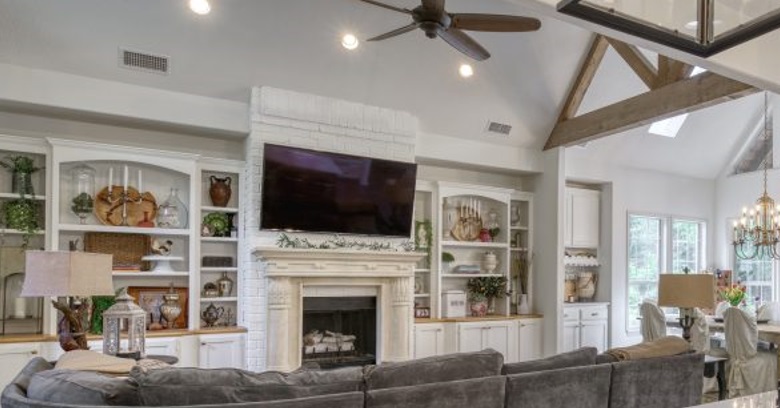
Trying to find Home Remodeling in Greater Bryan-College Station Area?
Good Company Construction takes responsibility for the building side of a home project from layout to finish on Greater Bryan-College Station Area households.
Phone 979-401-2527 to talk through what you want built or changed.
Why Bigger Home Projects Need One Person in Charge
People who look into Home Remodeling in Greater Bryan-College Station Area discovers that the job description is wider than most expect. The general contractor is the party responsible for the overall job. It makes sure each trade arrives when its part is ready, and it stands behind how the finished work fits together.
The role is quite different from performing one trade, and it is the part owners tend to underestimate. Carpentry, mechanical, and finish work are separate crafts, but a good result depends mostly on timing and coordination. Good Company Construction builds its approach to Home Remodeling around that coordination, and owners feel the difference in how few calls they have to make.
Design-Build or Separate Designer and Builder: Two Ways to Organize a Project
On a design-build project, the same firm handles both the design and the construction. That lets practical questions about structure and sequence shape the design early, and the owner deals with one point of contact.
The other path is a separate designer and builder, and it has been used for many successful projects. The drawings are finished before a builder is chosen, which works well for projects where the design is the centerpiece. The right choice depends on the project and on the owner, and a good contractor can explain how Home Remodeling would work in either setup.
Additions Touch Every Part of the Building
A home addition is not a freestanding building. The new foundation has to work with the old one, and the roofline has to be tied in so water sheds properly. Heating and cooling capacity also deserves a second look, and the answer should come before the plans are final.
Good framing is what makes the rest of an addition go right, and it is rarely the part owners photograph. Careful layout, accurate cuts, and checked measurements make trim, cabinets, and doors fit without fuss. Ask anyone in the trades, and they will say that a poor frame is hard to hide.
Details That Decide Whether New Space Blends In
Good construction does not always mean a good match, when the roof pitch, siding, and window style were not carried through. Existing materials have changed color with the weather, and new ones have not, and the choice is better made in the plan than on site.
The roof is usually the first thing that shows a poor match, and it is a detail that experienced builders watch closely. Carrying the original pitch and overhang through to the new section keeps the house balanced, and it keeps the roof shedding water in a predictable way.
What the Existing Systems Can and Cannot Carry
Existing equipment was matched to the original square footage, and the same thinking applies to every system in the house. In hot climates, undersized cooling is one of the first things owners notice after an addition, and it is far simpler to size equipment on paper than to replace it later. Wiring and plumbing have capacity limits of their own, and an upgrade is far easier before the walls are closed.
Whole-Home Remodels: Planning the Entire House at Once
A whole-home remodel, makeover, or redesign turns on how rooms connect, not just how each one looks. The question of where the family sleeps deserves an early answer, and the sequence of rooms is chosen with it in mind.
The older the house, the more likely something unexpected waits behind a wall, and experienced builders plan for that. Systems that were adequate for older habits but not for current ones are better expected than hoped against. A schedule that leaves room for what turns up keep the relationship between owner and builder on solid ground.
Drawings and Approvals Before Anything Is Built
The more the work changes, the more likely it is that a permit is required. The requirements in a city are not the same as in an unincorporated area, and the contractor of record normally takes care of pulling them. Homes in an association also answer to its design rules, and a builder familiar with the process can help.
How to Tell Whether a Contractor Is the Right Fit
Deciding who should manage a home project is as much about communication as it is about construction. Ask who pulls the permits and who calls for the inspections, and ask who will be on the job day to day and who the owner can reach.
Check that the credentials the local office expects are in place, and ask for the scope, the schedule, and any changes to them to be put in writing. Firms that organize their work well tends to have a system behind the answers.
The Order of Operations for a Bigger Home Project
Planning a bigger job begins with the slowest-arriving materials, and that is why ordering starts early. Made-to-order items and engineered framing members have their own delivery timelines, so lead times are tracked from the first week.
When the household stays in the house, the staging plan matters more. A plan for water, power, and a working bathroom throughout help a family get through the weeks of construction. Households that think it through before the work starts usually get a smoother experience.
The Owner Role in a Project That Runs on Time
There are many selections to make before and during a job, and that part of the job is more demanding than it sounds. Surface materials, fixtures, and the details that make a room feel finished all have to be settled early enough to be ordered and delivered on time. Contractors who list the choices and their due dates makes it easy to see what is coming.
Drawings are what every trade reads before it starts, and they are the reference for every decision on site. Each specialist pulls different information from the same sheets, from wall locations to fixture positions, so unclear plans lead to questions on site, repeated trips back to the drawings, and avoidable delays in the schedule.
How a Larger Project Comes to a Close
When the building work wraps up, the owner and the contractor go through the space together. Loose ends are collected on a punch list and cleared, and the permit is finished once the inspector approves.
If your plans in Greater Bryan-College Station Area include Home Remodeling, Good Company Construction can start with a conversation about the scope, the plans, and the order of work. Phone 979-401-2527 to get the conversation started.