
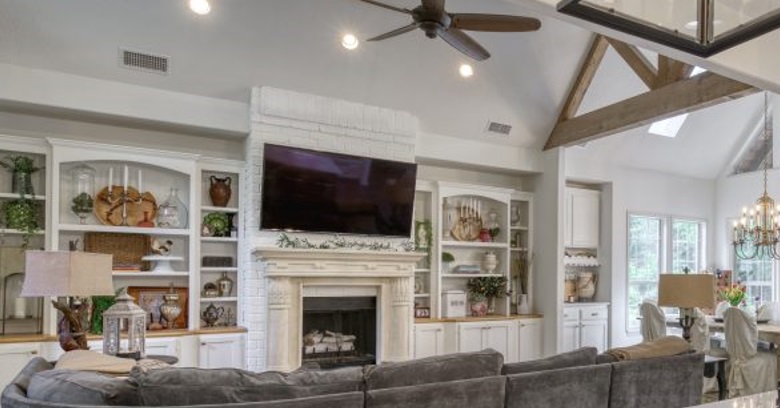
Looking for Whole Home Renovations in Greater Bryan-College Station Area?
Good Company Construction pulls the plans, the permits, and the subcontractors together under one plan within Greater Bryan-College Station Area households.
Reach out at 979-401-2527 to talk through what you want built or changed.
A General Contractor Is the Hub of the Whole Project
An owner who has decided to explore Whole Home Renovations in Greater Bryan-College Station Area soon learns that the title covers a lot of ground. One firm takes charge of the entire scope and answers for it. It sequences the subcontractors so they do not collide, and it answers for the result.
That is a different job from doing any single trade, and the difference shows in how a project runs. Each trade needs real experience in its own area, though what matters most is the order and the quality of the handoffs. For Whole Home Renovations, Good Company Construction focuses on keeping every part of the project connected, and owners feel the difference in how few calls they have to make.
One Team or Two? How Project Delivery Is Set Up
When a project is delivered design-build, the designer and the builder work as one group from the start. It means the people who will build it help shape what gets drawn, and one party is responsible when something needs to be adjusted.
A second route is to have the drawings made by one party and built by another, and it has been used for many successful projects. That produces a full set of plans that can be shared with different builders, which suits owners who want an independent designer with a particular vision. It comes down to what the owner values most, and a conversation about Whole Home Renovations in Greater Bryan-College Station Area can start from either one.
Adding Space Means Changing the Structure
New space added to a house connects to a structure that already has its own foundation, roofline, and systems. The new foundation has to work with the old one, and the roof junction is where careful detailing pays off. The air conditioner and ductwork may need to grow with the house, and an HVAC specialist can usually answer it quickly.
The frame carries the whole job, and it is worth watching closely. A frame laid out accurately and checked against the plans pay off later when cabinets and trim go in. Experienced carpenters will tell you, and they will say that rushed framing shows up as problems in every phase afterward.
Making an Addition Look Like It Was Always There
A structurally sound addition may stand out from the rest of the house, if nobody took the time to match the original lines. Existing materials have changed color with the weather, and new ones have not, and a thoughtful builder talks through those options with the owner.
How the new roof meets the old one is what the eye catches, and it is a detail that experienced builders watch closely. A roof that matches in slope and eave depth looks natural, and it keeps the roof shedding water in a predictable way.
Heating, Cooling, Electrical, and Plumbing Need a Second Look
New space means more load on the equipment that was installed for less, and the numbers should be checked, not assumed. A cooling system that kept the old rooms comfortable might struggle with a larger home through a long summer, and it is much easier to run new ducts while the framing is open. Electrical service and water supply need to be checked for capacity too, and an upgrade is far easier before the walls are closed.
Whole-Home Remodels: Planning the Entire House at Once
A full-house renovation brings the flow of the entire house into the plan. The question of where the family sleeps deserves an early answer, and the sequence of rooms is chosen with it in mind.
Previous owners may have changed things in ways that are not on any plan, and it is easiest to handle with a flexible plan. Outdated electrical panels, older supply lines, and walls that were opened and closed before are all common finds. A flexible plan and an honest conversation about the unknowns keep a large project from turning into a dispute.
Drawings and Approvals Before Anything Is Built
Once a project goes beyond cosmetic updates, the more important it is to learn what the town requires. Local offices set their own list of what needs approval, and the paperwork usually runs through the builder. Associations often want to see plans for exterior work first, and a builder familiar with the process can help.
Questions Worth Asking Before You Choose a Contractor
Deciding who should manage a home project is as much about communication as it is about construction. Find out who is responsible for permits, inspections, and the final sign-off, and ask which parts of the work are done by the contractor's own people and which go to subcontractors.
Check that the credentials the local office expects are in place, and make sure the description of the work and the order of events are on paper. A builder who is comfortable with these questions usually has a routine for each of them.
Building the Calendar for an Addition or Whole-Home Project
A schedule for a larger project is built backward from the items that take the longest, and the date for each phase follows from it. Specialty orders can run longer than any other part of the project, so the purchasing plan is part of the construction plan.
If the family lives in the home during construction, staging becomes important. Sealed doorways, covered flooring, and a separate entrance for the trades help a family get through the weeks of construction. Households that think it through before the work starts get through the work with fewer frustrations.
Selections and Approvals: What the Owner Decides, and When
Every addition or remodel involves a long list of choices, and a little preparation makes it much easier. Doors, trim profiles, cabinet hardware, and surfaces all carry deadlines that are set by delivery times. Contractors who list the choices and their due dates makes it easy to see what is coming.
The plans are the shared language of the whole project, and each trade works from the same pages. Each specialist pulls different information from the same sheets, from wall locations to fixture positions, so the clearer the plans, the smoother the build.
Closing Out an Addition or Remodel
When the building work wraps up, a final look at every part of the work takes place with the owner. Loose ends are collected on a punch list and cleared, and the local building office completes its last check.
If your plans in Greater Bryan-College Station Area include Whole Home Renovations, Good Company Construction is a good place to begin a conversation about your plans. Dial 979-401-2527 to talk it over.