
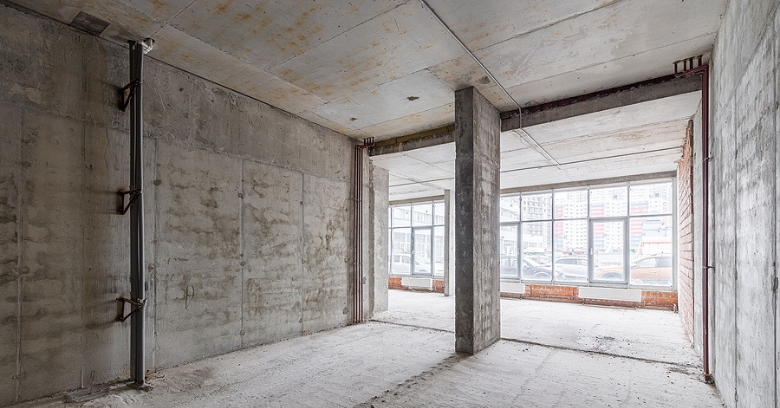
Need Commercial Building Remodeling Contractors in Navasota Texas?
Good Company Construction takes on interior and exterior updates for buildings that serve the public around Navasota Texas congregations.
Reach out at 979-401-2527 to explain the timeline you are working against.
A Commercial Remodel Starts With How the Space Is Used
Owners who look into Commercial Building Remodeling Contractors in Navasota Texas come to see that the work has to fit the way people use the space. A restaurant has to serve customers, an office has to answer phones, and a church has to hold services, and the schedule is only realistic if it respects them.
Good Company Construction begins Commercial Building Remodeling Contractors with questions about the operation, because they decide where the work zones go.
Work Zones, Barriers, and Detours in a Live Building
When customers, staff, or worshippers keep coming in, the contractor splits the job into zones and finishes one before opening the next. Temporary walls, dust barriers, and protected walkways keep the public away from the work, and a separate entrance for workers and materials keeps the front door clear.
Some of the work simply has to be done when the building is empty. Shutting down power to a panel, cutting into a slab, or refinishing a floor are put on the calendar well ahead so the owner can plan around them.
The Code Questions That Apply to Public Buildings
Offices, shops, and gathering spaces answer to codes that cover ramps, restrooms, door widths, alarms, and exit paths. Once the layout changes, the local office may want to see how the new plan handles access and exits, so the plan has to account for the rules from the beginning.
What the building is used for sets the baseline. An assembly space, a business office, a food service area, and a sales floor do not all carry the same requirements. Plan-check practices vary from one jurisdiction to another, which is another reason to talk to the local office early.
Systems Behind the Walls Set the Limits of a Remodel
When the floor plan changes, the loads on the systems change with it. Modern equipment and a fuller floor can strain a panel that was installed long ago, so the existing equipment is evaluated while the plan can still change. Low-voltage systems should be laid out at the same time as the walls.
Older Commercial Buildings Hide Things Behind the Walls
A building that has served several tenants or decades of use usually has a few secrets above the ceiling and inside the walls. Plumbing that no longer serves anything, wiring that nobody can trace, and framing changed for an earlier layout belong on the list of reasonable possibilities before the first wall comes down.
Whenever the condition of old finishes is uncertain, the first priority is a proper assessment, not guesswork. There are formal procedures for anything that needs special treatment, and it is better to know early than to be surprised.
How the Inside of a Commercial Space Comes Together
High-traffic buildings put real demands on every finish. Finishes selected for hard wear, easy maintenance, and a clean look are often the difference between a space that ages well and one that looks tired quickly.
Two things people notice right away are the sound of a room and the quality of its light. Careful choices about ceiling height, materials, and partitions control how voices carry, and layered lighting makes a space more comfortable to work or gather in.
Sanctuaries and Assembly Spaces Have Their Own Needs
A hall used for worship, for events, or for the community has to work for both large and small crowds. The sound system, the lighting, and the layout of seating and aisles all depend on one another. Wide spans and high walls change how the work is staged, so the early conversation matters even more.
First Impressions Are Part of the Project
When the building is part of the brand, the entrance is the first thing a visitor sees. Parking surfaces, walkways, landscaping edges, and the entrance doors add up to the impression the building makes. Exterior work in the weather of the region is wisely specified with durable materials and good drainage in mind.
Beyond the Interior: Roofs, Pavement, and Drainage
Commercial roofs are usually flat or low-slope, so proper drainage and sealed penetrations are the main defense against leaks. Sudden storms and long periods of strong sun age roofing materials faster than many owners expect, and work that adds equipment on the roof should be coordinated with whoever maintains it.
Parking areas and walkways are part of the same picture. Uneven walkways, worn striping, and drainage that has silted up belong on the list of things to look at when the building gets an update.
Notices, Schedules, and a Single Point of Contact
People handle disruption well when they know when, where, and how long. Clear information about parking, entrances, and restroom access keeps the project from feeling like something that is happening to people. A short chain of communication between the decision maker and the project lead can prevent mixed messages.
When to Schedule Construction in a Working Building
Businesses and congregations run on calendars that the construction schedule has to respect. Stores want to be finished before the holiday rush, congregations before the major services of the year, and offices before a lease or a move, and the work is organized so the important dates are protected. Exterior work depends on the weather as well, so a little extra time is built in for the days that cannot be worked.
Who Has to Say Yes on a Leased or Shared Property
Churches and organizations usually answer to a board or committee. Owners of leased buildings often have rules about what tenants can alter, and an organization may need several meetings before a plan is settled. Getting these approvals lined up early keeps a commercial project from stalling at the last minute.
Commercial punch lists are longer than residential ones. Signs, lighting, door closers, restroom fixtures, and safety devices are confirmed to be working, and any open items are listed with dates for completion.
Moving From Final Inspection to Reopening
As the last of the work finishes and the trades begin to clear out, an inspector checks the finished building. The owner or committee goes through the space with the contractor, and a punch list is cleared before the job is considered done.
For owners and managers in Navasota Texas planning Commercial Building Remodeling Contractors, Good Company Construction can explain how a project like yours would be staged and scheduled. Call 979-401-2527 to set up the first conversation.
Verified

Verified
Verified
Verified
Verified