
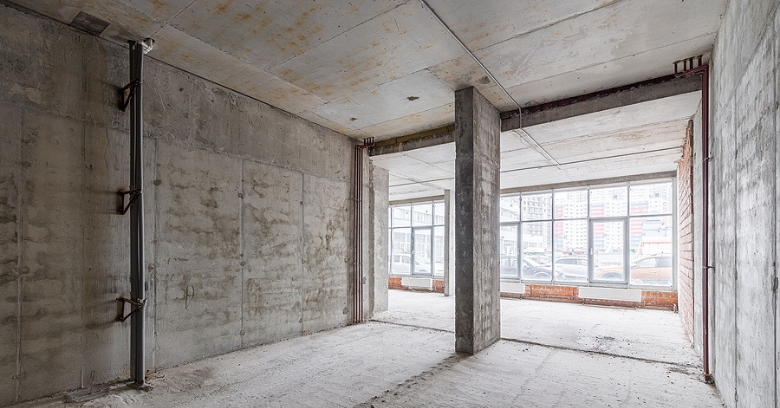
Comparing options for Commercial Building Reno Services in Navasota Texas?
Good Company Construction renovates offices, shops, and gathering spaces while the people who use them keep working for Navasota Texas building owners.
Call 979-401-2527 to explain the timeline you are working against.
Before Anything Is Torn Out, Understand the Operation
Decision makers who begin with Commercial Building Reno Services in Navasota Texas come to see that the work has to fit the way people use the space. Retail wants foot traffic, an office wants quiet, and a place of worship wants a sanctuary ready every weekend, and the construction plan has to start from those limits.
On Commercial Building Reno Services, Good Company Construction asks what has to stay open, what can close, and how much time is available, because they decide whether work happens by day, at night, or in short phases.
Working in an Occupied Building: Phasing and Access
If the doors have to stay open during the work, the work moves through the building in stages. Containment and clear wayfinding keep the building usable, and a separate entrance for workers and materials keeps the front door clear.
Some of the work simply has to be done when the building is empty. Shutting down power to a panel, cutting into a slab, or refinishing a floor are usually pushed to nights, weekends, or planned closures.
Life Safety Is Part of Every Commercial Update
Commercial buildings that serve the public come with requirements that cover accessible routes, fire separation, and the number and width of exits. Altering a floor plan can bring the building under closer scrutiny, so those questions belong in the first meeting and not the last.
How a space is used decides which requirements apply. Sanctuaries, restaurant dining rooms, open offices, and retail floors each fall under their own set of expectations. Rules differ from city to city and county to county across the state, which is another reason to talk to the local office early.
Electrical, Cooling, and Data Capacity in an Older Building
When the floor plan changes, the loads on the systems change with it. Modern equipment and a fuller floor can strain a panel that was installed long ago, so the remodel plan should confirm what the systems can carry before the new layout is final. Cabling for networks and audio systems is far easier to install during construction than after.
Older Commercial Buildings Hide Things Behind the Walls
A commercial property with a long history usually has a few secrets above the ceiling and inside the walls. Plumbing that no longer serves anything, wiring that nobody can trace, and framing changed for an earlier layout are found often enough that the plan should allow time for them.
Whenever the condition of old finishes is uncertain, the sensible step is to find out before demolition starts. The proper process is set by regulation, not by the contractor's preference, and a good builder is clear with the owner about how that part of the job works.
Interior Build-Out: Walls, Ceilings, Floors, and Light
Floors, walls, and doors in a public space see steady traffic. Flooring that resists scuffs, wall surfaces that clean easily, and doors and hardware built for heavy use make a bigger difference to a commercial space than most owners expect.
Two things people notice right away are the sound of a room and the quality of its light. Careful choices about ceiling height, materials, and partitions control how voices carry, and the placement of fixtures should follow how the room is used.
Large Gathering Rooms Raise Special Questions
A hall used for worship, for events, or for the community serves a purpose that most other rooms do not. Sight lines to the front, the sound system, and the lighting have to be considered together when the room is changed. Wide spans and high walls change how the work is staged, so the early conversation matters even more.
Exterior Updates That Change How a Building Is Seen
For many commercial owners and for most organizations that welcome the public, the entrance is the first thing a visitor sees. Doors, windows, canopies, and exterior finishes are easier to handle when considered together. Finishes exposed to strong UV and heavy rain calls for materials chosen to hold up to sun and moisture.
Site and Shell Work Around a Commercial Building
A typical commercial roof is built to hold water back and then shed it slowly, so drains, flashing, and rooftop equipment curbs matter a great deal. Storms in the state can deliver a large amount of rain in a short time, and drains have to keep up, and a quick check of the roof before the interior is finished can prevent damage to new finishes.
The ground around the building matters for water management. Entrances that collect water and surfaces that have shifted with the soil affect how visitors reach the door and how water leaves the property.
Communication During a Project in a Working Building
Most complaints during a project come from people who were not told. Clear information about parking, entrances, and restroom access lets people adapt before they are inconvenienced. A named contact for the owner and a named contact for the builder can keep decisions moving.
Seasons, Events, and Busy Periods Shape the Schedule
The ideal window for construction is rarely the one that is convenient for the builder. Stores want to be finished before the holiday rush, congregations before the major services of the year, and offices before a lease or a move, and the work is organized so the important dates are protected. Roofing, paving, painting, and other outdoor tasks cannot proceed in a heavy storm, so the finish date is set with weather in mind.
Landlords, Boards, and Committees: Getting Sign-Off
Churches and organizations usually answer to a board or committee. Property managers may have standards for contractors and materials, and a board has to agree on scope and schedule. Making a list of every required sign-off keeps a commercial project from stalling at the last minute.
Before the doors reopen, a commercial space is checked from end to end. Emergency lighting, exit signs, door hardware, alarms, and accessible features are tested, and any open items are listed with dates for completion.
Finishing the Work and Handing the Space Back
When construction wraps up, the final inspection from the local authority confirms the work meets code. A last look at every room happens before the handover, and open items are resolved before the space is turned back over.
For owners and managers in Navasota Texas planning Commercial Building Reno Services, Good Company Construction is a sensible place to start a conversation about the project. Call 979-401-2527 to set up the first conversation.
Verified

Verified
Verified
Verified
Verified