
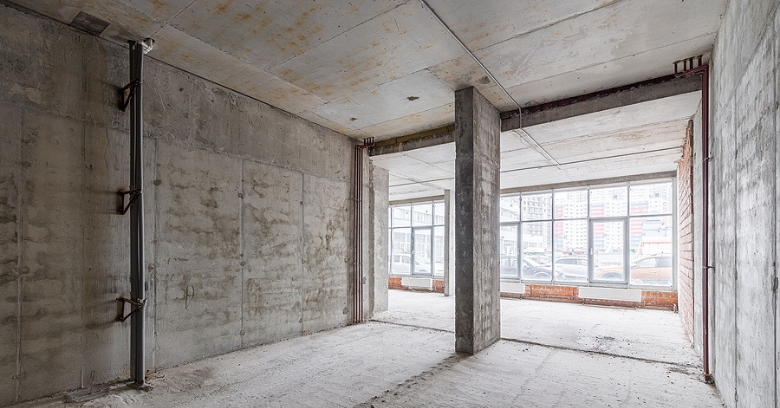
Comparing options for Commercial Building Renovation Contractors in Navasota Texas?
Good Company Construction renovates offices, shops, and gathering spaces while the people who use them keep working in Navasota Texas businesses.
Ring 979-401-2527 to ask how a commercial project like yours would be phased.
Before Anything Is Torn Out, Understand the Operation
Tenants and landlords comparing Commercial Building Renovation Contractors in Navasota Texas find that the hardest part is keeping the place working while it changes. Shops need to stay open, offices need to keep their people productive, and meeting halls need to host their events, and the schedule is only realistic if it respects them.
Good Company Construction begins Commercial Building Renovation Contractors with questions about the operation, because the plan has to protect the people who use the building.
Staying Open Through a Renovation
In a building that cannot close, the project is broken into sections that can be sealed off. Temporary walls, dust barriers, and protected walkways keep the public away from the work, and a separate entrance for workers and materials keeps the front door clear.
Certain tasks are ideally done after closing. Shutting down power to a panel, cutting into a slab, or refinishing a floor are the kind of tasks planned for hours when the space is quiet.
What Changes in the Rules When a Building Serves the Public
Commercial buildings that serve the public have to work for every visitor and be safe in an emergency. Altering a floor plan can bring the building under closer scrutiny, so the early planning should ask what the local office will expect.
The way a building is classified also shapes the rules. Conference suites, church fellowship halls, salons, and storefronts each fall under their own set of expectations. What one town asks for may differ from the next town over, so the safe approach is to ask rather than assume.
Planning Utilities Before Drawing the New Layout
A commercial update often asks more from the systems than the original design did. Added equipment, new lighting, and denser seating all push on capacity, so the remodel plan should confirm what the systems can carry before the new layout is final. Data cabling, security, and audio-visual needs deserve a place in the plan as well.
What Demolition Turns Up in an Existing Building
A building that has served several tenants or decades of use is rarely exactly what the old drawings show. Ceiling spaces crowded with old ductwork, wiring from past tenants, and pipes that run in unexpected directions are far easier to handle when they were mentioned at the start.
Whenever the condition of old finishes is uncertain, testing comes first and demolition second. Rules for handling and disposal come from state and federal authorities, and it is better to know early than to be surprised.
Making Interior Space Fit the People Who Use It
A business interior is expected to look good under constant use. Flooring that resists scuffs, wall surfaces that clean easily, and doors and hardware built for heavy use are worth more attention than they get in a quick plan.
Sound and light shape how a room feels. Hard surfaces make a room echo, while ceilings, wall panels, and soft finishes absorb sound, and the placement of fixtures should follow how the room is used.
Planning for Seating, Sound, and Sightlines
Any space designed to hold a gathering serves a purpose that most other rooms do not. Aisles, exits, platforms, and the way people enter and leave the room cannot be treated as separate decisions. High ceilings make lighting, sound treatment, and maintenance more involved, so the schedule has to include those added steps.
The Public Side of a Commercial Remodel
For congregations and organizations that welcome visitors, the storefront or entrance sets the tone before anyone steps inside. Exterior paint, trim, glazing, and the entry doors are all part of the same conversation. Finishes exposed to strong UV and heavy rain depends on careful flashing, sealants, and coatings.
Roofs, Drainage, and Parking: The Parts Nobody Sees Until They Fail
Commercial roofs are usually flat or low-slope, so ponding water and failed seams are the usual causes of trouble. Intense heat expands and contracts the roof surface every day, and the seams take the strain, and work that adds equipment on the roof should be coordinated with whoever maintains it.
Parking areas and walkways are part of the same picture. Entrances that collect water and surfaces that have shifted with the soil are common on older commercial sites and are easiest to deal with while contractors are already mobilized.
Setting Expectations Before the Work Begins
Surprises are the hardest part of living through construction. A short schedule posted at the entrance, a note about which doors are in use, and a heads-up before noisy work goes a long way toward keeping goodwill intact. One person on the owner side and one on the contractor side can keep small issues from becoming big ones.
Timing a Commercial Project Around the Calendar
Businesses and congregations run on calendars that the construction schedule has to respect. Restaurants often choose the slowest weeks, while offices may prefer weekends or evenings, and the plan should start from the dates the owner cannot change. In much of the state, hot afternoons and storm seasons limit what can be done outside, so indoor tasks are held in reserve for bad-weather days.
Owners, Tenants, and Approvals
Churches and organizations usually answer to a board or committee. Lease terms can limit the work or require specific approvals, and an organization may need several meetings before a plan is settled. Getting these approvals lined up early helps everyone understand the timeline.
The final stage of a commercial project has its own checklist. The systems that protect people in an emergency are checked before anyone is allowed back in, and that final stage is where a well-run project shows its quality.
Moving From Final Inspection to Reopening
As the last of the work finishes and the trades begin to clear out, the local office looks over the completed project. Everyone responsible for the space goes over the finished work together, and any remaining items go on a short list to be completed before the project is closed.
If your organization in Navasota Texas is ready to talk about Commercial Building Renovation Contractors, Good Company Construction can explain how a project like yours would be staged and scheduled. Reach us at 979-401-2527 to set up the first conversation.
Verified

Verified
Verified
Verified
Verified