
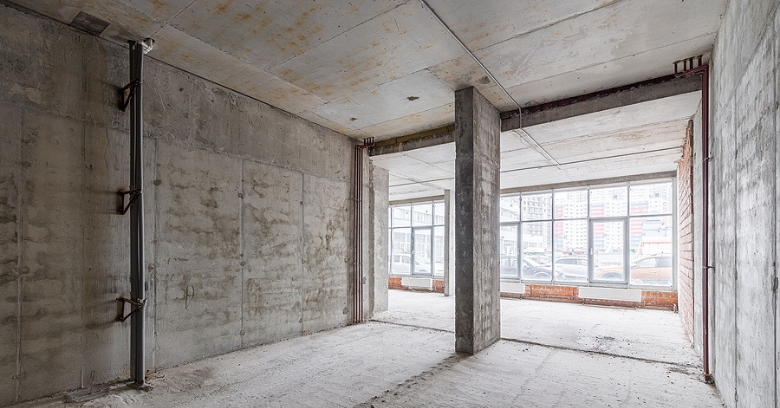
Planning Commercial Remodeling in Navasota Texas?
Good Company Construction takes on interior and exterior updates for buildings that serve the public throughout Navasota Texas organizations.
Phone 979-401-2527 to describe the space you want changed.
Before Anything Is Torn Out, Understand the Operation
Decision makers who begin with Commercial Remodeling in Navasota Texas come to see that the work has to fit the way people use the space. Retail wants foot traffic, an office wants quiet, and a place of worship wants a sanctuary ready every weekend, and each of them changes how the work is staged.
With Commercial Remodeling, Good Company Construction starts by learning the daily and weekly rhythm of the building, because the construction sequence follows from them.
How Phasing Protects a Business During the Work
If the doors have to stay open during the work, the project is broken into sections that can be sealed off. Temporary walls, dust barriers, and protected walkways keep the public away from the work, and deliveries and tradespeople use a path that avoids customers.
Noisy or disruptive steps are often pushed to evenings and weekends. Tying into plumbing, switching over electrical service, or applying coatings that smell and need to cure are put on the calendar well ahead so the owner can plan around them.
Why Commercial Remodels Raise More Rules Than Homes Do
Offices, shops, and gathering spaces answer to codes that cover ramps, restrooms, door widths, alarms, and exit paths. Altering a floor plan can bring the building under closer scrutiny, so those questions belong in the first meeting and not the last.
Occupancy type matters too. Places of worship, offices, dining rooms, and stores are treated differently by the codes that govern them. Each jurisdiction sets its own process for plan checks and inspection, so the safe approach is to ask rather than assume.
Systems Behind the Walls Set the Limits of a Remodel
Moving walls and equipment shifts the demands on the building systems. Added equipment, new lighting, and denser seating all push on capacity, so an electrician and a mechanical contractor weigh in during design. Low-voltage systems should be laid out at the same time as the walls.
Older Commercial Buildings Hide Things Behind the Walls
Interiors that have been remodeled more than once before tends to reveal its history when demolition starts. Walls that were moved, floors that were patched, and openings that were closed in without much record are far easier to handle when they were mentioned at the start.
Where older materials are involved, testing comes first and demolition second. The proper process is set by regulation, not by the contractor's preference, and a good builder is clear with the owner about how that part of the job works.
Layout, Acoustics, and Finishes in a Working Interior
Commercial interiors take more wear than most homes do. Finishes selected for hard wear, easy maintenance, and a clean look are worth more attention than they get in a quick plan.
How a space sounds and how it is lit matter as much as how it looks. Careful choices about ceiling height, materials, and partitions control how voices carry, and good lighting design layers general light, task light, and accents.
Updating a Room Built to Hold a Crowd
Every kind of assembly space needs to seat many people comfortably. Sight lines to the front, the sound system, and the lighting are tied to each other, so changing one affects the rest. Work at height needs planning, equipment, and time, so schedules for these rooms need extra planning.
Exterior Updates That Change How a Building Is Seen
For many commercial owners and for most organizations that welcome the public, the entrance is the first thing a visitor sees. Exterior paint, trim, glazing, and the entry doors are all part of the same conversation. Finishes exposed to strong UV and heavy rain needs details that shed water and resist fading.
Site and Shell Work Around a Commercial Building
Many commercial buildings have roofs that barely slope, so the roof needs to be checked whenever the interior below is being changed. Intense heat expands and contracts the roof surface every day, and the seams take the strain, and the interior plan should never ignore what is happening overhead.
Parking lots and entrances take a beating and affect how the building works. Ponding at the entrance, settling near the building, and slopes that send water toward the doors can create safety and access problems that a remodel is a good chance to correct.
Setting Expectations Before the Work Begins
People handle disruption well when they know when, where, and how long. Clear information about parking, entrances, and restroom access goes a long way toward keeping goodwill intact. One person who answers questions for the building and one who answers for the work can make it easy to resolve problems the day they appear.
Planning Around the Rhythm of the Business Year
The ideal window for construction is rarely the one that is convenient for the builder. Events, deadlines, and inspections all place dates on the calendar that cannot move, and the plan should start from the dates the owner cannot change. In much of the state, hot afternoons and storm seasons limit what can be done outside, so the plan remains realistic when the forecast changes.
Landlords, Boards, and Committees: Getting Sign-Off
Churches and organizations usually answer to a board or committee. Owners of leased buildings often have rules about what tenants can alter, and a decision made by one person may not be final. Getting these approvals lined up early saves a good deal of time later.
Closing out a commercial job involves more than a final sweep. The systems that protect people in an emergency are checked before anyone is allowed back in, and a careful hand-off makes the first weeks in the renovated space far smoother.
The Last Steps Before the Doors Reopen
As the last of the work finishes and the trades begin to clear out, the city or county signs off on the completed work. The contractor and the owner walk each area, and touch-ups are written down and completed.
For Commercial Remodeling in Navasota Texas, Good Company Construction is a sensible place to start a conversation about the project. Dial 979-401-2527 to set up the first conversation.
Verified

Verified
Verified
Verified
Verified