
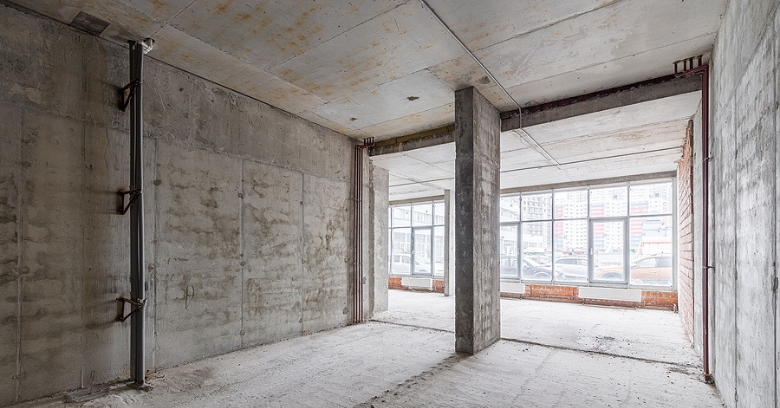
Getting ready to start Public Service Building Remodeling Contractors in Navasota Texas?
Good Company Construction reworks existing commercial buildings with the schedule, the access, and the code questions in mind throughout Navasota Texas businesses.
Reach out at 979-401-2527 to talk through what the building has to keep doing during the work.
A Commercial Remodel Starts With How the Space Is Used
Anyone weighing Public Service Building Remodeling Contractors in Navasota Texas for a business or a congregation usually find the operation matters as much as the construction. A restaurant has to serve customers, an office has to answer phones, and a church has to hold services, and the contractor should ask about them before drawing a line.
On Public Service Building Remodeling Contractors, Good Company Construction asks what has to stay open, what can close, and how much time is available, because they decide whether work happens by day, at night, or in short phases.
Work Zones, Barriers, and Detours in a Live Building
In a building that cannot close, the work is divided into phases that isolate one area at a time. Barriers, floor protection, and clearly marked paths separate visitors from the work zone, and a separate entrance for workers and materials keeps the front door clear.
Work that affects power, water, or access is often scheduled for off hours. Tasks with dust, fumes, or utility shutoffs are the kind of tasks planned for hours when the space is quiet.
The Code Questions That Apply to Public Buildings
Rooms used by large numbers of people answer to codes that cover ramps, restrooms, door widths, alarms, and exit paths. Once the layout changes, the local office may want to see how the new plan handles access and exits, so those questions belong in the first meeting and not the last.
How a space is used decides which requirements apply. Meeting halls, clinics, classroom wings, and warehouse showrooms each fall under their own set of expectations. What one town asks for may differ from the next town over, which is why the plan should be checked against local requirements.
Systems Behind the Walls Set the Limits of a Remodel
Moving walls and equipment shifts the demands on the building systems. Modern equipment and a fuller floor can strain a panel that was installed long ago, so capacity is checked early rather than discovered halfway through. Low-voltage systems should be laid out at the same time as the walls.
Older Commercial Buildings Hide Things Behind the Walls
A commercial property with a long history is rarely exactly what the old drawings show. Older finishes and materials from another era, which may need testing before they are disturbed should be anticipated in the schedule and discussed with the owner in advance.
When the age of a building raises questions about its materials, the right move is to have the material identified and handled properly before it is disturbed. There are formal procedures for anything that needs special treatment, and the owner should hear about it before the work, not during it.
Interior Build-Out: Walls, Ceilings, Floors, and Light
A business interior is expected to look good under constant use. Finishes selected for hard wear, easy maintenance, and a clean look deserve a close look before anything is ordered.
Noise and lighting levels affect comfort more than most people realize. A ceiling treatment or a change in wall material can calm a noisy room, and layered lighting makes a space more comfortable to work or gather in.
Remodeling a Place of Worship or Meeting Hall
A hall used for worship, for events, or for the community serves a purpose that most other rooms do not. The number of people the room holds, how they move, and how quickly they can leave cannot be treated as separate decisions. Wide spans and high walls change how the work is staged, so it helps to choose a builder who has handled large rooms before.
Storefronts, Entrances, and the Face of the Building
When the building is part of the brand, the street-facing side carries a lot of weight. Parking surfaces, walkways, landscaping edges, and the entrance doors should be planned as a unit. Surfaces facing summer heat and wind-driven rain needs details that shed water and resist fading.
Beyond the Interior: Roofs, Pavement, and Drainage
A typical commercial roof is built to hold water back and then shed it slowly, so proper drainage and sealed penetrations are the main defense against leaks. Storms in the state can deliver a large amount of rain in a short time, and drains have to keep up, and a remodel is a sensible time to look at the roof and drainage while the building is already open.
Parking lots and entrances take a beating and affect how the building works. Water that stands after a rain and ground that has moved with the clay can create safety and access problems that a remodel is a good chance to correct.
Telling Staff, Customers, and Members What to Expect
Good communication is half of getting through an occupied remodel. A brief weekly summary shared with staff, tenants, or the congregation goes a long way toward keeping goodwill intact. A named contact for the owner and a named contact for the builder can prevent mixed messages.
Planning Around the Rhythm of the Business Year
Commercial buildings do not all slow down at the same time of year. Restaurants often choose the slowest weeks, while offices may prefer weekends or evenings, and a good contractor builds the schedule backward from those dates. Exterior work depends on the weather as well, so the finish date is set with weather in mind.
Decision Makers Who Shape a Commercial Project
A leased space adds a landlord to the list of people who must agree. The lease usually spells out which changes need approval and from whom, and a congregation may need a vote or a building committee to approve the plan. Making a list of every required sign-off keeps a commercial project from stalling at the last minute.
Commercial punch lists are longer than residential ones. Emergency lighting, exit signs, door hardware, alarms, and accessible features are tested, and that final stage is where a well-run project shows its quality.
Finishing the Work and Handing the Space Back
As the last trade leaves, the local office looks over the completed project. The contractor and the owner walk each area, and open items are resolved before the space is turned back over.
If your organization in Navasota Texas is ready to talk about Public Service Building Remodeling Contractors, Good Company Construction is ready to discuss how the work could be phased around daily use. Get in touch at 979-401-2527 to set up the first conversation.
Verified

Verified
Verified
Verified
Verified