
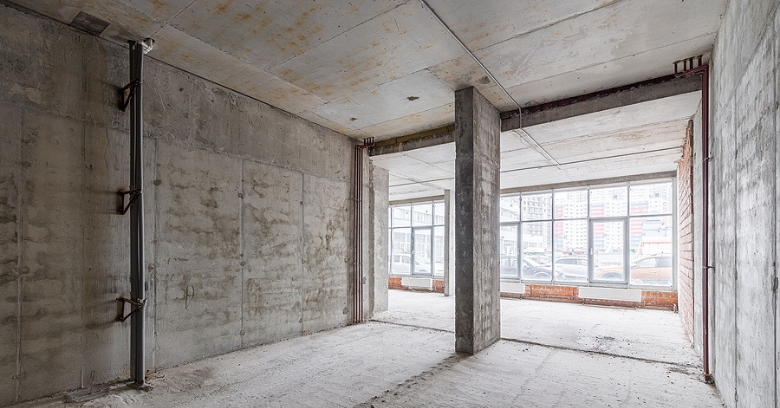
Weighing Public Service Building Remodels in Navasota Texas?
Good Company Construction renovates offices, shops, and gathering spaces while the people who use them keep working across Navasota Texas tenants.
Phone 979-401-2527 to talk through what the building has to keep doing during the work.
Design Follows Function in a Working Building
Decision makers who begin with Public Service Building Remodels in Navasota Texas usually find the operation matters as much as the construction. Shops need to stay open, offices need to keep their people productive, and meeting halls need to host their events, and each of them changes how the work is staged.
Good Company Construction approaches Public Service Building Remodels by asking how the space is used, and when, because the plan has to protect the people who use the building.
Working in an Occupied Building: Phasing and Access
When a building has to stay in use, the project is broken into sections that can be sealed off. Signs, detours, and protected routes help people reach what they came for, and noisy tasks are scheduled away from quiet hours.
Certain tasks are ideally done after closing. Cutting concrete, running a loud saw, or taking the water off for a connection belong to the part of the schedule that has the fewest people around.
Life Safety Is Part of Every Commercial Update
Any building open to visitors have to meet standards for access by people with disabilities, for fire safety, and for getting everyone out in an emergency. Once the layout changes, the local office may want to see how the new plan handles access and exits, so a careful builder checks with the local authority early.
What the building is used for sets the baseline. Sanctuaries, restaurant dining rooms, open offices, and retail floors have different rules for occupancy and egress. Each jurisdiction sets its own process for plan checks and inspection, which makes it wise to confirm the local process before design is finished.
Does the Building Have Enough Power and Cooling for the New Layout?
Moving walls and equipment shifts the demands on the building systems. More people in a space means more heat, more power, and more demand on ventilation, so upgrades can be planned instead of improvised. Cabling for networks and audio systems is far easier to install during construction than after.
Opening the Walls: Surprises and How They Are Handled
A building that has changed hands and purposes over time tends to reveal its history when demolition starts. Walls that were moved, floors that were patched, and openings that were closed in without much record are found often enough that the plan should allow time for them.
Whenever the condition of old finishes is uncertain, the work should pause until the question is answered. The proper process is set by regulation, not by the contractor's preference, and an honest conversation at the start avoids confusion later.
How the Inside of a Commercial Space Comes Together
A business interior is expected to look good under constant use. Flooring that resists scuffs, wall surfaces that clean easily, and doors and hardware built for heavy use should be chosen with maintenance in mind.
Sound and light shape how a room feels. Hard surfaces make a room echo, while ceilings, wall panels, and soft finishes absorb sound, and good lighting design layers general light, task light, and accents.
Planning for Seating, Sound, and Sightlines
A room that hosts large groups has to work for both large and small crowds. The number of people the room holds, how they move, and how quickly they can leave have to be considered together when the room is changed. Tall rooms bring structural, mechanical, and access questions, so the schedule has to include those added steps.
Exterior Updates That Change How a Building Is Seen
For congregations and organizations that welcome visitors, the street-facing side carries a lot of weight. The entrance, the lighting at night, the signage, and the surrounding walkways are easier to handle when considered together. Weather in the state is hard on exposed materials calls for materials chosen to hold up to sun and moisture.
Roofs, Drainage, and Parking: The Parts Nobody Sees Until They Fail
Many commercial buildings have roofs that barely slope, so drains, flashing, and rooftop equipment curbs matter a great deal. Storms in the state can deliver a large amount of rain in a short time, and drains have to keep up, and it is better to find a leak path before the new ceiling goes up.
Site surfaces and grading often get overlooked. Cracked pavement, low spots, and drains that no longer carry water away are worth a look because they affect how the building holds up.
Setting Expectations Before the Work Begins
Most complaints during a project come from people who were not told. A brief weekly summary shared with staff, tenants, or the congregation lets people adapt before they are inconvenienced. One person who answers questions for the building and one who answers for the work can keep decisions moving.
Timing a Commercial Project Around the Calendar
A retail space, a school wing, and a sanctuary all have different peak times. Events, deadlines, and inspections all place dates on the calendar that cannot move, and the work is organized so the important dates are protected. Sudden storms, strong wind, and extreme summer heat can interrupt outdoor work for days at a time, so a little extra time is built in for the days that cannot be worked.
Approvals Beyond the Building Office
Several parties may need to approve a remodel before it starts. The lease usually spells out which changes need approval and from whom, and a committee often has to sign off on design decisions. Making a list of every required sign-off spares the project from late surprises.
Commercial punch lists are longer than residential ones. The systems that protect people in an emergency are checked before anyone is allowed back in, and the people who will use the space deserve to know how it works.
Moving From Final Inspection to Reopening
At the end of the project, the local building office performs its final inspection. The owner or committee goes through the space with the contractor, and touch-ups are written down and completed.
When Public Service Building Remodels is on the calendar in Navasota Texas, Good Company Construction welcomes a first conversation about what the space has to do. Get in touch at 979-401-2527 to begin sorting out the phases.
Verified

Verified
Verified
Verified
Verified