
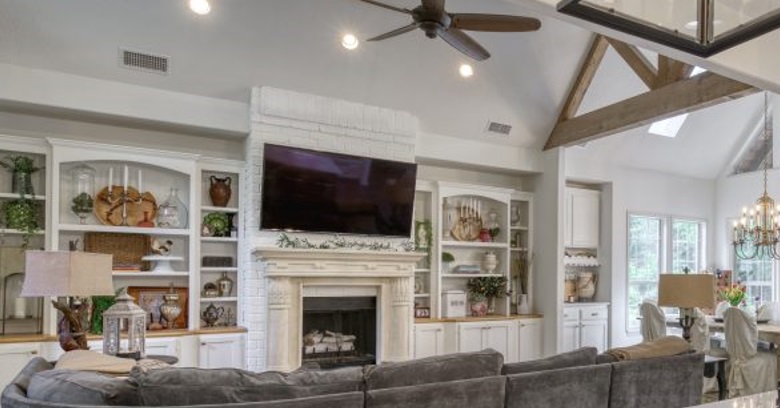
Looking for Home Additions in College Station Texas?
Good Company Construction takes responsibility for the building side of a home project from layout to finish around College Station Texas residents.
Ring 979-401-2527 to start a conversation about your plans.
The Role Behind the Name on the Truck
Anyone researching Home Additions in College Station Texas quickly finds that the role is bigger than it sounds. The contractor of record carries responsibility for how everything fits together. The same contractor brings in the framers, electricians, plumbers, and finishers at the right times, and it keeps the pieces consistent from one trade to the next.
The work is management as much as building, and it is learned on job sites, not on paper. Carpentry, mechanical, and finish work are separate crafts, but a project fails or succeeds on how well they fit together. For Home Additions, Good Company Construction focuses on keeping every part of the project connected, and the plan stays in one place where every trade can see it.
Choosing How the Design and the Building Are Organized
With a design-build arrangement, a single contract covers the drawings and the work. Practical building knowledge goes into the drawings from the first sketch, and the plans and the work do not drift apart.
The other path is a separate designer and builder, and it has been used for many successful projects. The owner gets a complete set of drawings that any contractor can build from, which appeals to owners with a strong design in mind. The right choice depends on the project and on the owner, and a good contractor can explain how Home Additions would work in either setup.
Adding Space Means Changing the Structure
A home addition must fit with everything already there. The new foundation has to work with the old one, and where the two roofs meet is a classic spot for leaks if it is rushed. The air conditioner and ductwork may need to grow with the house, and the answer should come before the plans are final.
Framing is where a straight, solid result begins, and it is worth watching closely. Careful layout, accurate cuts, and checked measurements make every later trade's work easier. Ask anyone in the trades, and they will say that a poor frame is hard to hide.
Matching the New Work to the Old House
Quality work can still look like an afterthought, unless the details of the original home were studied first. Old siding and brick fade in the sun, which makes a perfect match difficult, and the choice is better made in the plan than on site.
How the new roof meets the old one is what the eye catches, and it affects both looks and leaks. A roof that matches in slope and eave depth looks natural, and it keeps the roof shedding water in a predictable way.
Behind the Walls: Systems That Must Handle More
Existing equipment was matched to the original square footage, and that is easy to overlook on a drawing. A cooling system that kept the old rooms comfortable might struggle with a larger home through a long summer, and it is far simpler to size equipment on paper than to replace it later. The same is true of the breaker panel and the water lines, and a quick check can save a lot of rework.
Renovating or Redesigning Across the Entire Home
A project that reshapes the whole house raises questions that single-room projects never face. Whether the household stays or goes depends on the scope, and the order of work is chosen to keep the household functioning.
Previous owners may have changed things in ways that are not on any plan, and it is rarely a reason to avoid the work. Systems that were adequate for older habits but not for current ones turn up often once the surface comes off. Telling the owner early that surprises are possible make a whole-home project easier on everyone.
Drawings and Approvals Before Anything Is Built
The more the work changes, the more important it is to learn what the town requires. Rules differ between cities, counties, and rural parcels, and the paperwork usually runs through the builder. An HOA can require approval of exterior changes before permits are even requested, and it is wise to ask before anything is purchased.
The Conversation to Have Before the Work Begins
Picking a contractor for an addition or remodel has a business side and a personal side. Find out who is responsible for permits, inspections, and the final sign-off, and ask who will be on the job day to day and who the owner can reach.
Check that the credentials the local office expects are in place, and ask for the scope, the schedule, and any changes to them to be put in writing. A contractor who answers these questions easily usually has a routine for each of them.
Why Staging Matters When the House Stays Occupied
A schedule for a larger project is built backward from the items that take the longest, and the longest wait sets the pace for the rest. Made-to-order items and engineered framing members have their own delivery timelines, so the buying schedule and the building schedule move together.
If the family lives in the home during construction, the staging plan matters more. A plan for water, power, and a working bathroom throughout keep daily life going while the building work continues. Households that think it through before the work starts are less surprised by what the job is like day to day.
Owner Choices That Keep a Project on Schedule
Owners of a bigger job make dozens of selections, and it helps to know the due dates in advance. The visible selections that give a project its character must be decided ahead of the day they are needed. A good builder who shares a decision calendar helps everyone know what has to be done next.
The plans are the shared language of the whole project, and they are the reference for every decision on site. Every trade finds its own instructions in the set, from structural notes to finish details, so the clearer the plans, the smoother the build.
How a Larger Project Comes to a Close
When the building work wraps up, the contractor and the owner inspect the finished project side by side. Any touch-ups are written down and completed before the job is closed, and the permit is finished once the inspector approves.
For Home Additions in College Station Texas, Good Company Construction welcomes a first conversation about what you have in mind. Reach us at 979-401-2527 to begin sorting out the first steps.
Verified

Verified
Verified
Verified
Verified