
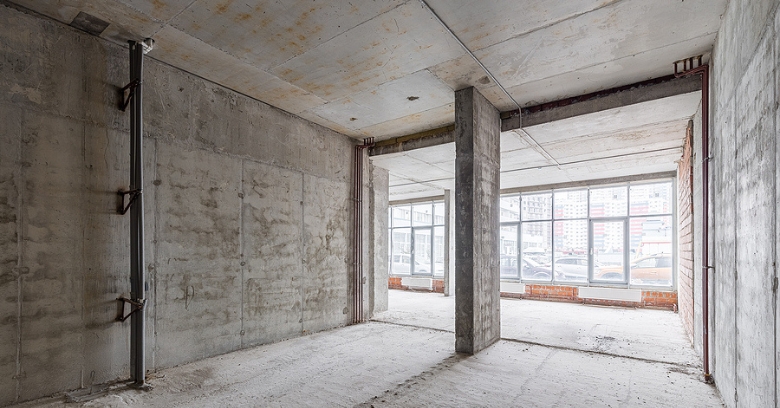
Weighing Office Space Renovation Contractors in College Station Texas?
Good Company Construction takes on interior and exterior updates for buildings that serve the public in College Station Texas organizations.
Reach out at 979-401-2527 to ask how a commercial project like yours would be phased.
The Business Comes First, Then the Building
Decision makers who begin with Office Space Renovation Contractors in College Station Texas usually find the operation matters as much as the construction. A business loses momentum when its space is out of service, and a congregation loses its rhythm without its building, and the contractor should ask about them before drawing a line.
Good Company Construction begins Office Space Renovation Contractors with questions about the operation, because the construction sequence follows from them.
Working in an Occupied Building: Phasing and Access
When a building has to stay in use, the work is divided into phases that isolate one area at a time. Containment and clear wayfinding keep the building usable, and the loading route is planned so it does not cross the main entrance.
Some of the work simply has to be done when the building is empty. Tying into plumbing, switching over electrical service, or applying coatings that smell and need to cure are put on the calendar well ahead so the owner can plan around them.
Why Commercial Remodels Raise More Rules Than Homes Do
Commercial buildings that serve the public have to meet standards for access by people with disabilities, for fire safety, and for getting everyone out in an emergency. A remodel can trigger a closer look at those items, so a careful builder checks with the local authority early.
Occupancy type matters too. An assembly space, a business office, a food service area, and a sales floor have different rules for occupancy and egress. Local authorities in the state interpret and apply these standards in their own way, and why assumptions based on another town can be wrong.
Electrical, Cooling, and Data Capacity in an Older Building
Moving walls and equipment shifts the demands on the building systems. Added equipment, new lighting, and denser seating all push on capacity, so the existing equipment is evaluated while the plan can still change. Cabling for networks and audio systems is far easier to install during construction than after.
Existing Conditions Shape the Scope More Than the Drawings Do
Interiors that have been remodeled more than once before often holds conditions nobody drew on a plan. Walls that were moved, floors that were patched, and openings that were closed in without much record are far easier to handle when they were mentioned at the start.
When the age of a building raises questions about its materials, the first priority is a proper assessment, not guesswork. Specialists handle these items under formal rules, and an honest conversation at the start avoids confusion later.
Interior Build-Out: Walls, Ceilings, Floors, and Light
High-traffic buildings put real demands on every finish. Finishes selected for hard wear, easy maintenance, and a clean look make a bigger difference to a commercial space than most owners expect.
Acoustics and lighting do a lot of the work in a finished space. Careful choices about ceiling height, materials, and partitions control how voices carry, and lighting plans balance daylight, general illumination, and focused task light.
Planning for Seating, Sound, and Sightlines
Every kind of assembly space serves a purpose that most other rooms do not. Aisles, exits, platforms, and the way people enter and leave the room all depend on one another. Work at height needs planning, equipment, and time, so the schedule has to include those added steps.
The Public Side of a Commercial Remodel
On properties that serve the public, the storefront or entrance sets the tone before anyone steps inside. Entry doors, glass, awnings, lighting, and signs add up to the impression the building makes. Anything outdoors in a climate with strong sun and sudden storms needs details that shed water and resist fading.
Why the Exterior Shell Belongs in the Remodel Conversation
Many commercial buildings have roofs that barely slope, so ponding water and failed seams are the usual causes of trouble. Storms in the state can deliver a large amount of rain in a short time, and drains have to keep up, and work that adds equipment on the roof should be coordinated with whoever maintains it.
Parking lots and entrances take a beating and affect how the building works. Uneven walkways, worn striping, and drainage that has silted up belong on the list of things to look at when the building gets an update.
Notices, Schedules, and a Single Point of Contact
Surprises are the hardest part of living through construction. A short schedule posted at the entrance, a note about which doors are in use, and a heads-up before noisy work cuts down on questions and complaints. A short chain of communication between the decision maker and the project lead can save time for everybody.
Timing a Commercial Project Around the Calendar
The ideal window for construction is rarely the one that is convenient for the builder. Seasonal businesses plan the work for their off season, and year-round businesses plan it in phases, and the work is organized so the important dates are protected. In much of the state, hot afternoons and storm seasons limit what can be done outside, so a little extra time is built in for the days that cannot be worked.
Landlords, Boards, and Committees: Getting Sign-Off
Churches and organizations usually answer to a board or committee. The lease usually spells out which changes need approval and from whom, and a decision made by one person may not be final. Getting these approvals lined up early spares the project from late surprises.
Before the doors reopen, a commercial space is checked from end to end. Signs, lighting, door closers, restroom fixtures, and safety devices are confirmed to be working, and any open items are listed with dates for completion.
Moving From Final Inspection to Reopening
At the end of the project, an inspector checks the finished building. Everyone responsible for the space goes over the finished work together, and small corrections are listed and handled.
For Office Space Renovation Contractors in College Station Texas, Good Company Construction welcomes a first conversation about what the space has to do. Get in touch at 979-401-2527 to describe your building and your plans.
Verified

Verified
Verified
Verified