
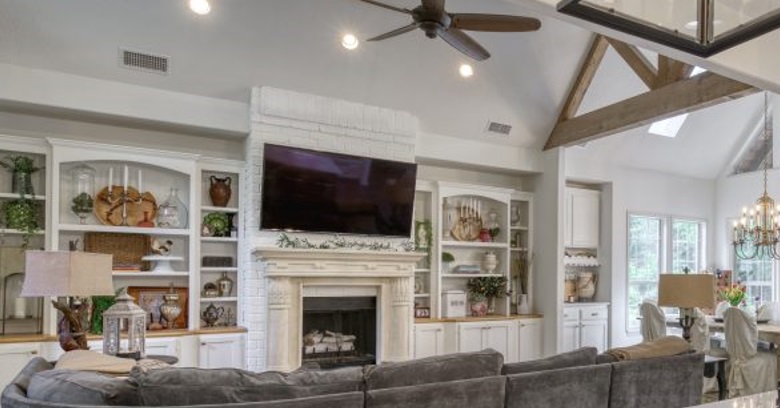
Trying to find Home Addition Contractors in Greater Bryan-College Station Area?
Good Company Construction takes responsibility for the building side of a home project from layout to finish around Greater Bryan-College Station Area residents.
Call 979-401-2527 to see how your project could be organized.
The Role Behind the Name on the Truck
Most homeowners comparing Home Addition Contractors in Greater Bryan-College Station Area discovers that the job description is wider than most expect. The general contractor is the party responsible for the overall job. That firm hires and schedules the specialists who do each part, and it keeps the pieces consistent from one trade to the next.
It sits above the individual trades rather than beside them, and it is what many owners are really paying attention to. Every trade has its own tools, methods, and rules, but a good result depends mostly on timing and coordination. For Home Addition Contractors, Good Company Construction focuses on keeping every part of the project connected, and the schedule shows it from the first week.
Who Draws the Plans, and Who Builds Them
Under a design-build approach, a single contract covers the drawings and the work. The advantage is that building questions get asked while the plans are still easy to change, and the owner deals with one point of contact.
The alternative is to hire an architect or designer first, and it has been used for many successful projects. The drawings are finished before a builder is chosen, which makes sense when the architecture is the main goal. Neither path is better in every case, and a good contractor can explain how Home Addition Contractors would work in either setup.
Tying New Space Into an Existing Home
A bump-out or added wing has to be joined to a house that was built to different standards. A new slab or pier line must be made compatible with the existing foundation, and where the two roofs meet is a classic spot for leaks if it is rushed. The existing equipment may or may not be enough for the added space, and the answer should come before the plans are final.
Good framing is what makes the rest of an addition go right, and it is the stage where accuracy counts most. Straight walls, a flat floor, and square window and door openings set the stage for a clean finish. Contractors who do this daily know, and they will say that a poor frame is hard to hide.
Making an Addition Look Like It Was Always There
A new room that works inside the house may look foreign from the street, unless the details of the original home were studied first. After years of sun, an older exterior has a different tone than new material, and a thoughtful builder talks through those options with the owner.
Pitch, ridge height, and overhang tell the eye whether the new part belongs, and it is worth planning before the framing starts. Keeping the same slope and overhang makes the whole building read as one design, and it makes the rainwater path easier to manage.
Behind the Walls: Systems That Must Handle More
The air conditioner, the panel, and the water heater all came sized for the house as it was, and the same thinking applies to every system in the house. A cooling system that kept the old rooms comfortable might struggle with a larger home through a long summer, and checking the load in advance prevents rework. Wiring and plumbing have capacity limits of their own, and an upgrade is far easier before the walls are closed.
Renovating or Redesigning Across the Entire Home
A full-house renovation asks the owner to think about how every space works together. The question of where the family sleeps deserves an early answer, and the sequence of rooms is chosen with it in mind.
Older homes bring their own surprises, and it is rarely a reason to avoid the work. Systems that were adequate for older habits but not for current ones are all common finds. Setting expectations before the walls are opened keep the relationship between owner and builder on solid ground.
The Approval Side of an Addition or Remodel
The more the work changes, the more likely it is that a permit is required. Local offices set their own list of what needs approval, and the paperwork usually runs through the builder. Subdivision rules may add an extra step, and it is wise to ask before anything is purchased.
The Conversation to Have Before the Work Begins
Selecting the firm that will take charge of the work should weigh how the work will be run as well as who runs it. A sensible first question is who handles the approvals from the local office, and find out who will be the point of contact when a question comes up.
Owners should expect to be able to confirm that the local paperwork is handled, and expect the scope of work and the timeline to be written down clearly. A contractor with a steady process usually has a routine for each of them.
How a Larger Project Is Scheduled and Staged
Good schedules begin with the items that cannot be rushed, and that is why ordering starts early. Items ordered to size often arrive long after standard stock does, so the sequence of purchases is planned alongside the sequence of work.
When the household stays in the house, the staging plan matters more. Clear boundaries between the work area and the living area make it practical to stay home while work goes on. Families that plan the daily routine around the work get through the work with fewer frustrations.
Why Early Decisions Make for a Smoother Build
A larger project asks the owner to choose many things, and a little preparation makes it much easier. The visible selections that give a project its character must be decided ahead of the day they are needed. A clear list of selections with dates attached helps everyone know what has to be done next.
A well-prepared drawing package works as a tool as well as a requirement, and the quality of the set shows throughout the job. Each specialist pulls different information from the same sheets, from wall locations to fixture positions, so unclear plans lead to questions on site, repeated trips back to the drawings, and avoidable delays in the schedule.
How a Larger Project Comes to a Close
As the work nears completion, the contractor and the owner inspect the finished project side by side. Loose ends are collected on a punch list and cleared, and the town's final inspection signs off on the building work.
When Home Addition Contractors is the next step for your property in Greater Bryan-College Station Area, Good Company Construction can start with a conversation about the scope, the plans, and the order of work. Reach us at 979-401-2527 to explain what you are planning.