
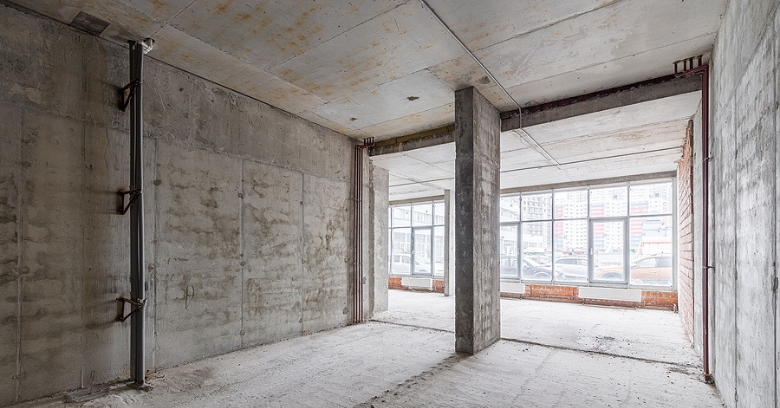
Getting ready to start Church Makeover Services in Bryan Texas?
Good Company Construction renovates offices, shops, and gathering spaces while the people who use them keep working throughout Bryan Texas building owners.
Phone 979-401-2527 to explain the timeline you are working against.
A Commercial Remodel Starts With How the Space Is Used
Decision makers who begin with Church Makeover Services in Bryan Texas tend to discover that the building is only half the question. Retail wants foot traffic, an office wants quiet, and a place of worship wants a sanctuary ready every weekend, and a good remodel plan is written around those facts.
Good Company Construction begins Church Makeover Services with questions about the operation, because the answers decide the sequence of the whole job.
Keeping the Doors Open While Construction Goes On
In a building that cannot close, the project is broken into sections that can be sealed off. Sealed partitions and covered floors keep dust and debris where they belong, and deliveries and tradespeople use a path that avoids customers.
Noisy or disruptive steps are often pushed to evenings and weekends. Shutting down power to a panel, cutting into a slab, or refinishing a floor belong to the part of the schedule that has the fewest people around.
The Code Questions That Apply to Public Buildings
Rooms used by large numbers of people come with requirements that cover accessible routes, fire separation, and the number and width of exits. Once the layout changes, the local office may want to see how the new plan handles access and exits, so the plan has to account for the rules from the beginning.
What the building is used for sets the baseline. Conference suites, church fellowship halls, salons, and storefronts have different rules for occupancy and egress. Each jurisdiction sets its own process for plan checks and inspection, which is why the plan should be checked against local requirements.
Electrical, Cooling, and Data Capacity in an Older Building
Rearranging a space rearranges its utility needs. Extra computers, kitchen equipment, lighting, and cooling load can outgrow an old electrical panel, so an electrician and a mechanical contractor weigh in during design. Data cabling, security, and audio-visual needs deserve a place in the plan as well.
Existing Conditions Shape the Scope More Than the Drawings Do
A building that has changed hands and purposes over time often holds conditions nobody drew on a plan. Plumbing that no longer serves anything, wiring that nobody can trace, and framing changed for an earlier layout should be anticipated in the schedule and discussed with the owner in advance.
If testing suggests that something needs special handling, the sensible step is to find out before demolition starts. The requirements are specific and are followed to the letter, and the owner should hear about it before the work, not during it.
Making Interior Space Fit the People Who Use It
Floors, walls, and doors in a public space see steady traffic. Surfaces that handle foot traffic, carts, chairs, and cleaning should be chosen with maintenance in mind.
Sound and light shape how a room feels. Careful choices about ceiling height, materials, and partitions control how voices carry, and layered lighting makes a space more comfortable to work or gather in.
Large Gathering Rooms Raise Special Questions
A room that hosts large groups has to work for both large and small crowds. The number of people the room holds, how they move, and how quickly they can leave all depend on one another. Large-span ceilings and tall walls add their own construction questions, so the schedule has to include those added steps.
Signs, Doors, and Curb Appeal for Business Properties
On properties that serve the public, how the front of the building looks is part of how the organization is judged. The entrance, the lighting at night, the signage, and the surrounding walkways are easier to handle when considered together. Weather in the state is hard on exposed materials is wisely specified with durable materials and good drainage in mind.
Site and Shell Work Around a Commercial Building
Most commercial roofs are designed very differently from a house roof, so ponding water and failed seams are the usual causes of trouble. Intense heat expands and contracts the roof surface every day, and the seams take the strain, and a quick check of the roof before the interior is finished can prevent damage to new finishes.
Parking lots and entrances take a beating and affect how the building works. Ponding at the entrance, settling near the building, and slopes that send water toward the doors are common on older commercial sites and are easiest to deal with while contractors are already mobilized.
Notices, Schedules, and a Single Point of Contact
A remodel is much easier on everyone when people know what is coming. A short schedule posted at the entrance, a note about which doors are in use, and a heads-up before noisy work keeps the project from feeling like something that is happening to people. A short chain of communication between the decision maker and the project lead can save time for everybody.
Timing a Commercial Project Around the Calendar
Businesses and congregations run on calendars that the construction schedule has to respect. Stores want to be finished before the holiday rush, congregations before the major services of the year, and offices before a lease or a move, and the owner should say early which dates matter most. In much of the state, hot afternoons and storm seasons limit what can be done outside, so the plan remains realistic when the forecast changes.
Approvals Beyond the Building Office
Commercial projects often involve more than one decision maker, and the approvals do not always arrive in the order the schedule needs. Lease terms can limit the work or require specific approvals, and a board has to agree on scope and schedule. Making a list of every required sign-off keeps the schedule realistic.
Commercial punch lists are longer than residential ones. Signs, lighting, door closers, restroom fixtures, and safety devices are confirmed to be working, and that final stage is where a well-run project shows its quality.
Closing Out a Commercial Project
As the last of the work finishes and the trades begin to clear out, an inspector checks the finished building. A last look at every room happens before the handover, and small corrections are listed and handled.
When Church Makeover Services is on the calendar in Bryan Texas, Good Company Construction welcomes a first conversation about what the space has to do. Call 979-401-2527 to share what the space needs to do.
Verified

Verified
Verified
Verified
Verified