
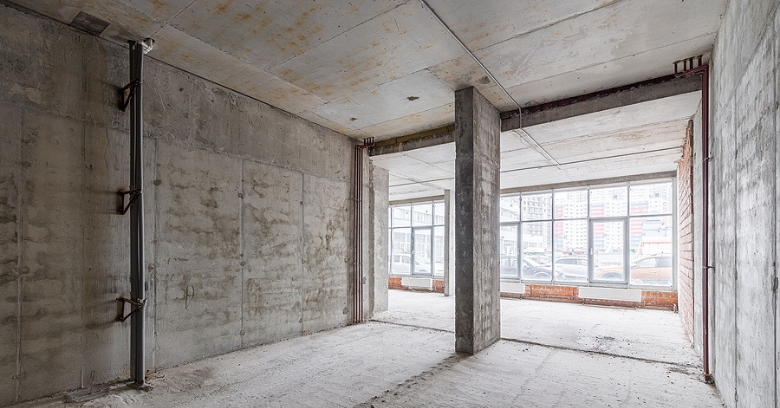
Getting ready to start Church Reno Companies in Bryan Texas?
Good Company Construction takes on interior and exterior updates for buildings that serve the public for Bryan Texas organizations.
Call 979-401-2527 to talk through what the building has to keep doing during the work.
Design Follows Function in a Working Building
Owners who look into Church Reno Companies in Bryan Texas usually find the operation matters as much as the construction. A business loses momentum when its space is out of service, and a congregation loses its rhythm without its building, and the contractor should ask about them before drawing a line.
Good Company Construction approaches Church Reno Companies by asking how the space is used, and when, because they decide where the work zones go.
Working in an Occupied Building: Phasing and Access
When a building has to stay in use, the project is broken into sections that can be sealed off. Sealed partitions and covered floors keep dust and debris where they belong, and deliveries and tradespeople use a path that avoids customers.
A few steps cannot be done around people. Tying into plumbing, switching over electrical service, or applying coatings that smell and need to cure belong to the part of the schedule that has the fewest people around.
What Changes in the Rules When a Building Serves the Public
Rooms used by large numbers of people come with requirements that cover accessible routes, fire separation, and the number and width of exits. Changing a space may mean bringing related features up to current standards, so it pays to learn the local requirements before the drawings are final.
The way a building is classified also shapes the rules. Sanctuaries, restaurant dining rooms, open offices, and retail floors have different rules for occupancy and egress. Local authorities in the state interpret and apply these standards in their own way, which is another reason to talk to the local office early.
Systems Behind the Walls Set the Limits of a Remodel
When the floor plan changes, the loads on the systems change with it. Heat from equipment and people through a long hot summer puts real stress on cooling, so the remodel plan should confirm what the systems can carry before the new layout is final. Cabling for networks and audio systems is far easier to install during construction than after.
Opening the Walls: Surprises and How They Are Handled
A building that has changed hands and purposes over time often holds conditions nobody drew on a plan. Ceiling spaces crowded with old ductwork, wiring from past tenants, and pipes that run in unexpected directions are all things a careful contractor expects and plans a little room for.
When the age of a building raises questions about its materials, testing comes first and demolition second. There are formal procedures for anything that needs special treatment, and the schedule is adjusted when it applies.
Making Interior Space Fit the People Who Use It
A space used by many people every day needs tougher surfaces. Finishes selected for hard wear, easy maintenance, and a clean look are often the difference between a space that ages well and one that looks tired quickly.
Two things people notice right away are the sound of a room and the quality of its light. Careful choices about ceiling height, materials, and partitions control how voices carry, and the lighting layout is easiest to settle before the ceiling is closed.
Planning for Seating, Sound, and Sightlines
Every kind of assembly space is built around sightlines, sound, and safe movement. Sight lines to the front, the sound system, and the lighting cannot be treated as separate decisions. Work at height needs planning, equipment, and time, so it helps to choose a builder who has handled large rooms before.
The Public Side of a Commercial Remodel
When the building is part of the brand, the street-facing side carries a lot of weight. Doors, windows, canopies, and exterior finishes add up to the impression the building makes. Weather in the state is hard on exposed materials calls for materials chosen to hold up to sun and moisture.
Beyond the Interior: Roofs, Pavement, and Drainage
Low-slope roofs and flat roofs are the norm on shops and offices, so the roof needs to be checked whenever the interior below is being changed. Storms in the state can deliver a large amount of rain in a short time, and drains have to keep up, and it is better to find a leak path before the new ceiling goes up.
The ground around the building matters for water management. Ponding at the entrance, settling near the building, and slopes that send water toward the doors affect how visitors reach the door and how water leaves the property.
Telling Staff, Customers, and Members What to Expect
People handle disruption well when they know when, where, and how long. A brief weekly summary shared with staff, tenants, or the congregation goes a long way toward keeping goodwill intact. A short chain of communication between the decision maker and the project lead can keep small issues from becoming big ones.
When to Schedule Construction in a Working Building
A retail space, a school wing, and a sanctuary all have different peak times. Restaurants often choose the slowest weeks, while offices may prefer weekends or evenings, and a realistic schedule includes room for weather and late deliveries. In much of the state, hot afternoons and storm seasons limit what can be done outside, so a little extra time is built in for the days that cannot be worked.
Approvals Beyond the Building Office
Several parties may need to approve a remodel before it starts. Owners of leased buildings often have rules about what tenants can alter, and a committee often has to sign off on design decisions. Making a list of every required sign-off helps everyone understand the timeline.
The final stage of a commercial project has its own checklist. Signs, lighting, door closers, restroom fixtures, and safety devices are confirmed to be working, and the owner should expect a walk-through of every area, not just the finished showpiece rooms.
Wrapping Up a Commercial Remodel
As the last of the work finishes and the trades begin to clear out, the local office looks over the completed project. The contractor and the owner walk each area, and any remaining items go on a short list to be completed before the project is closed.
For a commercial space in Bryan Texas that needs Church Reno Companies , Good Company Construction welcomes a first conversation about what the space has to do. Dial 979-401-2527 to talk through the details.
Verified

Verified
Verified
Verified
Verified