
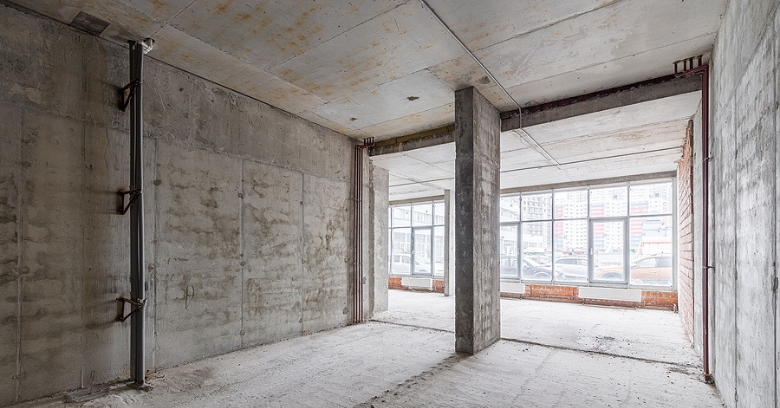
Comparing options for Commercial Building Reno Contractors in Bryan Texas?
Good Company Construction reworks existing commercial buildings with the schedule, the access, and the code questions in mind throughout Bryan Texas congregations.
Phone 979-401-2527 to explain the timeline you are working against.
Design Follows Function in a Working Building
A manager or board member researching Commercial Building Reno Contractors in Bryan Texas soon learn the project is shaped by what happens inside the walls every day. Retail wants foot traffic, an office wants quiet, and a place of worship wants a sanctuary ready every weekend, and each of them changes how the work is staged.
Good Company Construction treats Commercial Building Reno Contractors as a scheduling puzzle before it is a construction project, because the plan has to protect the people who use the building.
Keeping the Doors Open While Construction Goes On
When customers, staff, or worshippers keep coming in, construction is organized area by area. Barriers, floor protection, and clearly marked paths separate visitors from the work zone, and worker access stays out of the public eye.
Noisy or disruptive steps are often pushed to evenings and weekends. Shutting down power to a panel, cutting into a slab, or refinishing a floor are put on the calendar well ahead so the owner can plan around them.
Accessibility, Fire Safety, and Egress Come With the Territory
Offices, shops, and gathering spaces answer to codes that cover ramps, restrooms, door widths, alarms, and exit paths. A remodel can trigger a closer look at those items, so those questions belong in the first meeting and not the last.
How a space is used decides which requirements apply. Places of worship, offices, dining rooms, and stores are treated differently by the codes that govern them. Rules differ from city to city and county to county across the state, which makes it wise to confirm the local process before design is finished.
Planning Utilities Before Drawing the New Layout
Moving walls and equipment shifts the demands on the building systems. Modern equipment and a fuller floor can strain a panel that was installed long ago, so capacity is checked early rather than discovered halfway through. Low-voltage systems should be laid out at the same time as the walls.
Older Commercial Buildings Hide Things Behind the Walls
A building that has changed hands and purposes over time often holds conditions nobody drew on a plan. Older finishes and materials from another era, which may need testing before they are disturbed are found often enough that the plan should allow time for them.
Where older materials are involved, testing comes first and demolition second. The proper process is set by regulation, not by the contractor's preference, and a good builder is clear with the owner about how that part of the job works.
Interior Build-Out: Walls, Ceilings, Floors, and Light
A business interior is expected to look good under constant use. Finishes selected for hard wear, easy maintenance, and a clean look deserve a close look before anything is ordered.
Two things people notice right away are the sound of a room and the quality of its light. Hard surfaces make a room echo, while ceilings, wall panels, and soft finishes absorb sound, and lighting plans balance daylight, general illumination, and focused task light.
Planning for Seating, Sound, and Sightlines
Any space designed to hold a gathering has to do several things at once. Aisles, exits, platforms, and the way people enter and leave the room have to be considered together when the room is changed. Wide spans and high walls change how the work is staged, so the schedule has to include those added steps.
The Public Side of a Commercial Remodel
For many commercial owners and for most organizations that welcome the public, the exterior is as important as the interior. Doors, windows, canopies, and exterior finishes work together as a single design. Anything outdoors in a climate with strong sun and sudden storms is wisely specified with durable materials and good drainage in mind.
Site and Shell Work Around a Commercial Building
Most commercial roofs are designed very differently from a house roof, so the roof needs to be checked whenever the interior below is being changed. Heavy downpours, summer heat, and strong sun put the membrane and the seams under stress across the state, and a quick check of the roof before the interior is finished can prevent damage to new finishes.
The ground around the building matters for water management. Uneven walkways, worn striping, and drainage that has silted up are worth a look because they affect how the building holds up.
Communication During a Project in a Working Building
People handle disruption well when they know when, where, and how long. Written notices, clear signs, and a calendar of upcoming phases keeps the project from feeling like something that is happening to people. One person who answers questions for the building and one who answers for the work can make it easy to resolve problems the day they appear.
When to Schedule Construction in a Working Building
Every kind of building has a busy season and a quiet one. Classrooms and meeting rooms are easiest to work on when they are empty, such as during breaks and summer, and the plan should start from the dates the owner cannot change. Heavy rain and high temperatures change what can be poured, sealed, or painted, so outdoor phases are scheduled with some flexibility.
Owners, Tenants, and Approvals
Commercial projects often involve more than one decision maker, and the approvals do not always arrive in the order the schedule needs. Lease terms can limit the work or require specific approvals, and a decision made by one person may not be final. Sorting out who approves what at the start spares the project from late surprises.
Commercial punch lists are longer than residential ones. The systems that protect people in an emergency are checked before anyone is allowed back in, and any open items are listed with dates for completion.
Closing Out a Commercial Project
At the end of the project, an inspector checks the finished building. A final walk-through with the owner, the manager, or the building committee follows once the space has been cleaned, and open items are resolved before the space is turned back over.
For owners and managers in Bryan Texas planning Commercial Building Reno Contractors, Good Company Construction is a sensible place to start a conversation about the project. Reach us at 979-401-2527 to describe your building and your plans.
Verified

Verified
Verified
Verified
Verified