
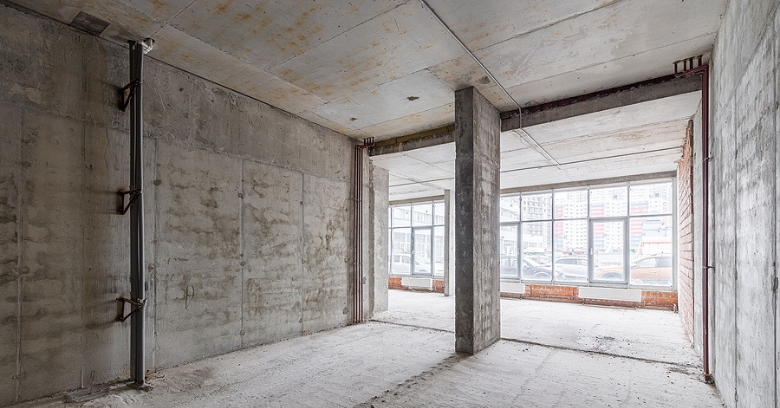
Weighing Public Service Building Makeover Services in Bryan Texas?
Good Company Construction reworks existing commercial buildings with the schedule, the access, and the code questions in mind in Bryan Texas businesses.
Phone 979-401-2527 to explain the timeline you are working against.
The Business Comes First, Then the Building
Tenants and landlords comparing Public Service Building Makeover Services in Bryan Texas soon learn the project is shaped by what happens inside the walls every day. A clinic cannot lose its waiting room for a month, a showroom cannot hide its displays, and a school wing cannot lose its classrooms mid-term, and the contractor should ask about them before drawing a line.
On Public Service Building Makeover Services, Good Company Construction asks what has to stay open, what can close, and how much time is available, because the answers decide the sequence of the whole job.
How Phasing Protects a Business During the Work
In a building that cannot close, the work is divided into phases that isolate one area at a time. Containment and clear wayfinding keep the building usable, and worker access stays out of the public eye.
Noisy or disruptive steps are often pushed to evenings and weekends. Shutting down power to a panel, cutting into a slab, or refinishing a floor are usually pushed to nights, weekends, or planned closures.
The Code Questions That Apply to Public Buildings
Any building open to visitors have to meet standards for access by people with disabilities, for fire safety, and for getting everyone out in an emergency. Altering a floor plan can bring the building under closer scrutiny, so it pays to learn the local requirements before the drawings are final.
A change in use is its own question. Meeting halls, clinics, classroom wings, and warehouse showrooms each fall under their own set of expectations. Each jurisdiction sets its own process for plan checks and inspection, which makes it wise to confirm the local process before design is finished.
Systems Behind the Walls Set the Limits of a Remodel
Rearranging a space rearranges its utility needs. Added equipment, new lighting, and denser seating all push on capacity, so the remodel plan should confirm what the systems can carry before the new layout is final. Phone, network, and security wiring are easiest to run while walls are open.
Hidden Conditions in Aging Commercial Space
A building that has served several tenants or decades of use usually has a few secrets above the ceiling and inside the walls. Walls that were moved, floors that were patched, and openings that were closed in without much record are far easier to handle when they were mentioned at the start.
When the age of a building raises questions about its materials, the work should pause until the question is answered. Specialists handle these items under formal rules, and the schedule is adjusted when it applies.
Layout, Acoustics, and Finishes in a Working Interior
A business interior is expected to look good under constant use. Flooring that resists scuffs, wall surfaces that clean easily, and doors and hardware built for heavy use make a bigger difference to a commercial space than most owners expect.
Two things people notice right away are the sound of a room and the quality of its light. Where a space needs quiet, walls and ceilings are built to keep sound in its place, and layered lighting makes a space more comfortable to work or gather in.
Planning for Seating, Sound, and Sightlines
A sanctuary, fellowship hall, or large meeting room needs to seat many people comfortably. Sight lines to the front, the sound system, and the lighting are part of a single plan. Work at height needs planning, equipment, and time, so it helps to choose a builder who has handled large rooms before.
Storefronts, Entrances, and the Face of the Building
For many commercial owners and for most organizations that welcome the public, the entrance is the first thing a visitor sees. Entry doors, glass, awnings, lighting, and signs are all part of the same conversation. Finishes exposed to strong UV and heavy rain calls for materials chosen to hold up to sun and moisture.
Roofs, Drainage, and Parking: The Parts Nobody Sees Until They Fail
A typical commercial roof is built to hold water back and then shed it slowly, so proper drainage and sealed penetrations are the main defense against leaks. Intense heat expands and contracts the roof surface every day, and the seams take the strain, and the interior plan should never ignore what is happening overhead.
Site surfaces and grading often get overlooked. Ponding at the entrance, settling near the building, and slopes that send water toward the doors are common on older commercial sites and are easiest to deal with while contractors are already mobilized.
Setting Expectations Before the Work Begins
Good communication is half of getting through an occupied remodel. An update on what is closed this week, what opens next, and what to expect after hours goes a long way toward keeping goodwill intact. One person on the owner side and one on the contractor side can save time for everybody.
Seasons, Events, and Busy Periods Shape the Schedule
The ideal window for construction is rarely the one that is convenient for the builder. Classrooms and meeting rooms are easiest to work on when they are empty, such as during breaks and summer, and the work is organized so the important dates are protected. Sudden storms, strong wind, and extreme summer heat can interrupt outdoor work for days at a time, so indoor tasks are held in reserve for bad-weather days.
Approvals Beyond the Building Office
Several parties may need to approve a remodel before it starts. Owners of leased buildings often have rules about what tenants can alter, and a board has to agree on scope and schedule. Identifying the decision makers before the drawings are final keeps the schedule realistic.
Before the doors reopen, a commercial space is checked from end to end. Signs, lighting, door closers, restroom fixtures, and safety devices are confirmed to be working, and the owner should expect a walk-through of every area, not just the finished showpiece rooms.
Wrapping Up a Commercial Remodel
At the end of the project, an inspector checks the finished building. The owner or committee goes through the space with the contractor, and any remaining items go on a short list to be completed before the project is closed.
If your organization in Bryan Texas is ready to talk about Public Service Building Makeover Services, Good Company Construction is ready to discuss how the work could be phased around daily use. Dial 979-401-2527 to set up the first conversation.
Verified

Verified
Verified
Verified