
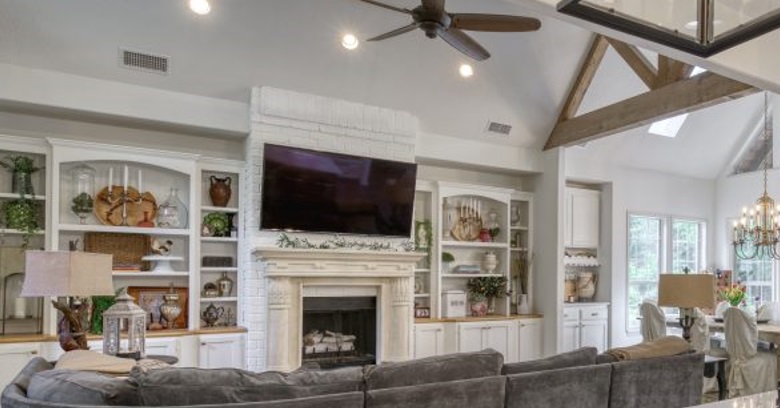
Looking for Home Addition Contractors in Bryan Texas?
Good Company Construction coordinates the people and the paperwork behind a home addition or remodel within Bryan Texas households.
Phone 979-401-2527 to ask how a project like yours would be run.
What a General Contractor Actually Does
Most homeowners comparing Home Addition Contractors in Bryan Texas finds that one name stands for many different tasks. The general contractor is the party responsible for the overall job. That firm hires and schedules the specialists who do each part, and it spares the owner from refereeing between trades.
It is more about managing work than doing one kind of it, and it is learned on job sites, not on paper. Every trade has its own tools, methods, and rules, and the success of the job rests on the handoffs between them. Good Company Construction organizes Home Addition Contractors so one plan connects every trade, and every phase is planned with the next one in mind.
One Team or Two? How Project Delivery Is Set Up
Under a design-build approach, one team takes on the plans and the building together. It means the people who will build it help shape what gets drawn, and one party is responsible when something needs to be adjusted.
Another way to organize the work is design first, then bids from builders, and it works well when plans are already in hand. The design stands on its own as a finished package, which suits owners who want an independent designer with a particular vision. Each approach fits some projects and not others, and the choice rarely stops a project involving Home Addition Contractors from moving forward.
Additions Touch Every Part of the Building
A room addition must fit with everything already there. The new foundation has to work with the old one, and the roofline has to be tied in so water sheds properly. The existing equipment may or may not be enough for the added space, and an HVAC specialist can usually answer it quickly.
Good framing is what makes the rest of an addition go right, and the rest of the job depends on it. A frame laid out accurately and checked against the plans pay off later when cabinets and trim go in. Anyone who has worked on a job site will say, and they will say that rushed framing shows up as problems in every phase afterward.
Why the Outside of an Addition Deserves Planning Too
Quality work can still look like an afterthought, if the outside was not planned with the existing house in mind. Weathered exterior materials rarely match fresh ones perfectly, and a good plan decides whether to match, blend, or deliberately contrast.
How the new roof meets the old one is what the eye catches, and it is worth planning before the framing starts. Carrying the original pitch and overhang through to the new section keeps the house balanced, and it also helps water drain the way the original roof was designed to.
Mechanical Systems Have to Grow With the House
The air conditioner, the panel, and the water heater all came sized for the house as it was, and the numbers should be checked, not assumed. A cooling system that kept the old rooms comfortable might struggle with a larger home through a long summer, and it is much easier to run new ducts while the framing is open. Wiring and plumbing have capacity limits of their own, and an upgrade is far easier before the walls are closed.
Bigger Scope, Bigger Planning Needs
Work that touches every room needs a plan for how the house will be lived in during the work. Whether the household stays or goes depends on the scope, and the order of work is chosen to keep the household functioning.
The older the house, the more likely something unexpected waits behind a wall, and it is rarely a reason to avoid the work. Outdated electrical panels, older supply lines, and walls that were opened and closed before are usually discovered during demolition. Planning for the unexpected rather than hoping it will not happen help the whole job go more smoothly.
The Boring Part of the Job That Protects You
The larger the project, the more likely it is that a permit is required. Rules differ between cities, counties, and rural parcels, and the paperwork usually runs through the builder. Neighborhood rules on color, height, and materials can shape what is allowed, and that approval can take a while.
A Short List of Things to Settle Before Signing Anything
Deciding who should manage a home project should weigh how the work will be run as well as who runs it. Ask who pulls the permits and who calls for the inspections, and find out who will be the point of contact when a question comes up.
Ask to see the paperwork the town requires, and make sure the description of the work and the order of events are on paper. A contractor with a steady process tends to have a system behind the answers.
Planning Phases So the Household Can Keep Functioning
A schedule for a larger project is built backward from the items that take the longest, and that is why ordering starts early. Windows, doors, cabinets, and structural components can take weeks to arrive, so the buying schedule and the building schedule move together.
When the home remains occupied, the project is usually organized in phases. Clear boundaries between the work area and the living area keep daily life going while the building work continues. People who talk it over with the builder first handle the weeks of construction with less stress.
Owner Choices That Keep a Project on Schedule
Owners of a bigger job make dozens of selections, and the choices add up over a few weeks. Surface materials, fixtures, and the details that make a room feel finished have decision dates that work backward from the schedule. Contractors who list the choices and their due dates makes it easy to see what is coming.
Drawings do more than meet the requirements of the building office, and each trade works from the same pages. Layouts, dimensions, and notes on the pages guide each trade through its part, so unclear plans lead to questions on site, repeated trips back to the drawings, and avoidable delays in the schedule.
How a Larger Project Comes to a Close
When the last trade has finished, each finished area gets checked one by one. Any touch-ups are written down and completed before the job is closed, and the permit is finished once the inspector approves.
If your plans in Bryan Texas include Home Addition Contractors, Good Company Construction can walk through how a project like yours would be planned and staged. Get in touch at 979-401-2527 to describe the home you have in mind.
Verified

Verified
Verified
Verified
Verified