
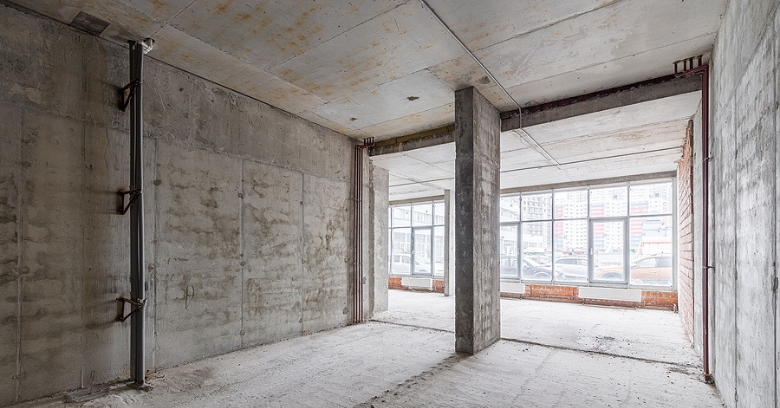
Getting ready to start Commercial Renovation Services in Greater Bryan-College Station Area?
Good Company Construction renovates offices, shops, and gathering spaces while the people who use them keep working across Greater Bryan-College Station Area congregations.
Dial 979-401-2527 to ask how a commercial project like yours would be phased.
The Business Comes First, Then the Building
Owners who look into Commercial Renovation Services in Greater Bryan-College Station Area soon learn the project is shaped by what happens inside the walls every day. Retail wants foot traffic, an office wants quiet, and a place of worship wants a sanctuary ready every weekend, and the construction plan has to start from those limits.
Good Company Construction approaches Commercial Renovation Services by asking how the space is used, and when, because the construction sequence follows from them.
Work Zones, Barriers, and Detours in a Live Building
When customers, staff, or worshippers keep coming in, the work moves through the building in stages. Signs, detours, and protected routes help people reach what they came for, and worker access stays out of the public eye.
Noisy or disruptive steps are often pushed to evenings and weekends. Tasks with dust, fumes, or utility shutoffs are the kind of tasks planned for hours when the space is quiet.
Why Commercial Remodels Raise More Rules Than Homes Do
Spaces where customers, clients, or members come and go have to meet standards for access by people with disabilities, for fire safety, and for getting everyone out in an emergency. Once the layout changes, the local office may want to see how the new plan handles access and exits, so the early planning should ask what the local office will expect.
Occupancy type matters too. Places of worship, offices, dining rooms, and stores each fall under their own set of expectations. Local authorities in the state interpret and apply these standards in their own way, which is another reason to talk to the local office early.
Planning Utilities Before Drawing the New Layout
When the floor plan changes, the loads on the systems change with it. Modern equipment and a fuller floor can strain a panel that was installed long ago, so an electrician and a mechanical contractor weigh in during design. Phone, network, and security wiring are easiest to run while walls are open.
Older Commercial Buildings Hide Things Behind the Walls
A structure whose records are incomplete is rarely exactly what the old drawings show. Structural members cut for earlier equipment, and slabs with sleeves nobody remembers should be anticipated in the schedule and discussed with the owner in advance.
Where older materials are involved, the sensible step is to find out before demolition starts. Specialists handle these items under formal rules, and the owner should hear about it before the work, not during it.
Making Interior Space Fit the People Who Use It
Commercial interiors take more wear than most homes do. Durable floor coverings, washable paints, and hardware that holds up deserve a close look before anything is ordered.
Acoustics and lighting do a lot of the work in a finished space. Hard surfaces make a room echo, while ceilings, wall panels, and soft finishes absorb sound, and the placement of fixtures should follow how the room is used.
Updating a Room Built to Hold a Crowd
A hall used for worship, for events, or for the community needs to seat many people comfortably. The number of people the room holds, how they move, and how quickly they can leave are part of a single plan. Tall rooms bring structural, mechanical, and access questions, which is why a good plan for an assembly space is started well ahead of the work.
First Impressions Are Part of the Project
On properties that serve the public, how the front of the building looks is part of how the organization is judged. Parking surfaces, walkways, landscaping edges, and the entrance doors are all part of the same conversation. Finishes exposed to strong UV and heavy rain calls for materials chosen to hold up to sun and moisture.
Why the Exterior Shell Belongs in the Remodel Conversation
Commercial roofs are usually flat or low-slope, so the details around drains, edges, and equipment decide whether it stays dry. Storms in the state can deliver a large amount of rain in a short time, and drains have to keep up, and the interior plan should never ignore what is happening overhead.
Site surfaces and grading often get overlooked. Uneven walkways, worn striping, and drainage that has silted up affect how visitors reach the door and how water leaves the property.
Communication During a Project in a Working Building
People handle disruption well when they know when, where, and how long. An update on what is closed this week, what opens next, and what to expect after hours lets people adapt before they are inconvenienced. A named contact for the owner and a named contact for the builder can save time for everybody.
When to Schedule Construction in a Working Building
Commercial buildings do not all slow down at the same time of year. Stores want to be finished before the holiday rush, congregations before the major services of the year, and offices before a lease or a move, and the plan should start from the dates the owner cannot change. Roofing, paving, painting, and other outdoor tasks cannot proceed in a heavy storm, so indoor tasks are held in reserve for bad-weather days.
Owners, Tenants, and Approvals
Several parties may need to approve a remodel before it starts. Lease terms can limit the work or require specific approvals, and a committee often has to sign off on design decisions. Identifying the decision makers before the drawings are final keeps the schedule realistic.
Before the doors reopen, a commercial space is checked from end to end. Operating manuals, keys, and records are handed to the owner as the work is completed, and a careful hand-off makes the first weeks in the renovated space far smoother.
Closing Out a Commercial Project
At the end of the project, the local building office performs its final inspection. The owner or committee goes through the space with the contractor, and open items are resolved before the space is turned back over.
For a commercial space in Greater Bryan-College Station Area that needs Commercial Renovation Services, Good Company Construction can begin with a conversation about the operation, the building, and the timeline. Get in touch at 979-401-2527 to set up the first conversation.