
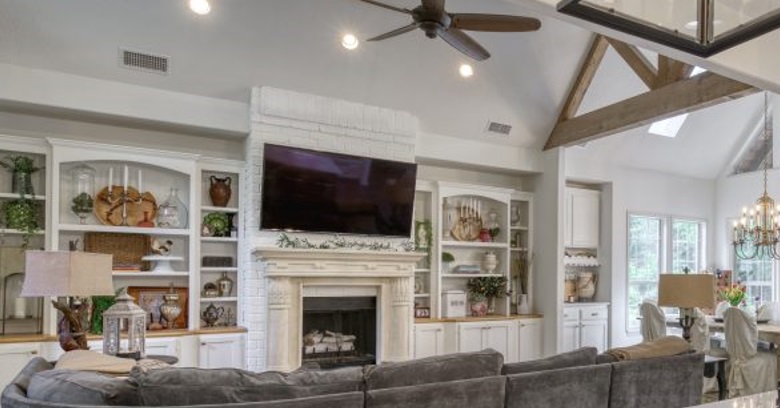
Looking for Room Addition Services in Greater Bryan-College Station Area?
Good Company Construction pulls the plans, the permits, and the subcontractors together under one plan for Greater Bryan-College Station Area families.
Dial 979-401-2527 to ask how a project like yours would be run.
What a General Contractor Actually Does
A homeowner who starts by searching for Room Addition Services in Greater Bryan-College Station Area finds that one name stands for many different tasks. A single contractor is accountable for the project as a whole. It makes sure each trade arrives when its part is ready, and it spares the owner from refereeing between trades.
The role is quite different from performing one trade, and it is learned on job sites, not on paper. The trades are specialties in their own right, but a good result depends mostly on timing and coordination. Good Company Construction builds its approach to Room Addition Services around that coordination, and that focus is what holds a larger project together.
Choosing How the Design and the Building Are Organized
Under a design-build approach, design and construction sit under the same roof and the same contract. The advantage is that building questions get asked while the plans are still easy to change, and the owner deals with one point of contact.
Another way to organize the work is design first, then bids from builders, and it has been used for many successful projects. The design stands on its own as a finished package, which appeals to owners with a strong design in mind. Each approach fits some projects and not others, and a conversation about Room Addition Services in Greater Bryan-College Station Area can start from either one.
What an Addition Changes About a House
New space added to a house connects to a structure that already has its own foundation, roofline, and systems. The new foundation has to work with the old one, and flashing and slope at the junction decide whether it stays dry. Heating and cooling capacity also deserves a second look, and it is a conversation worth having early.
Good framing is what makes the rest of an addition go right, and the rest of the job depends on it. Walls that are plumb, floors that are level, and openings that are square set the stage for a clean finish. Anyone who has worked on a job site will say, and the lesson is that time spent on the frame is time saved on the finish.
Details That Decide Whether New Space Blends In
Quality work can still look like an afterthought, when the exterior details were chosen separately. Brick, siding, and trim age over time, so an exact match is sometimes hard to find, and a thoughtful builder talks through those options with the owner.
Rooflines are where an addition most often gives itself away, and it is a detail that experienced builders watch closely. A roof that matches in slope and eave depth looks natural, and it also helps water drain the way the original roof was designed to.
What the Existing Systems Can and Cannot Carry
Existing equipment was matched to the original square footage, and it adds up faster than most owners expect. Heat is the pressing issue across the state, so the air conditioning side deserves attention first, and it is far simpler to size equipment on paper than to replace it later. Wiring and plumbing have capacity limits of their own, and the answer shapes the plan.
Thinking Through a Project That Touches the Whole House
A project that reshapes the whole house brings the flow of the entire house into the plan. Whether the household stays or goes depends on the scope, and the order of work is chosen to keep the household functioning.
Houses of a certain age may hold hidden conditions, and it is simply part of working on existing buildings. Past repairs, past additions, and past shortcuts turn up often once the surface comes off. Telling the owner early that surprises are possible keep a large project from turning into a dispute.
Plans, Permits, and the Paperwork Behind a Larger Project
The more the work changes, the more probable it becomes that inspections apply. The requirements in a city are not the same as in an unincorporated area, and the person responsible for the job usually applies. An HOA can require approval of exterior changes before permits are even requested, and that approval can take a while.
A Short List of Things to Settle Before Signing Anything
Choosing who will run a larger project is partly a question of paperwork and partly a question of fit. Make sure it is clear who applies for permits and who schedules inspections, and ask who will be on the job day to day and who the owner can reach.
Check that the credentials the local office expects are in place, and ask for the scope, the schedule, and any changes to them to be put in writing. A builder who is comfortable with these questions is used to being asked and does not mind.
Planning Phases So the Household Can Keep Functioning
Good schedules begin with the items that cannot be rushed, and the plan becomes a chain of dependencies. Windows, doors, cabinets, and structural components can take weeks to arrive, so lead times are tracked from the first week.
For projects with the owners at home, staging becomes important. A plan for water, power, and a working bathroom throughout reduce the strain on a household living beside a job site. Families that plan the daily routine around the work handle the weeks of construction with less stress.
The Owner Role in a Project That Runs on Time
A larger project asks the owner to choose many things, and it helps to know the due dates in advance. Tile, lighting, paint colors, and plumbing fixtures have decision dates that work backward from the schedule. When the contractor provides a schedule of decisions helps everyone know what has to be done next.
Plans have a practical purpose beyond the permit, and well-prepared drawings save time. Every trade finds its own instructions in the set, from structural notes to finish details, so unclear plans lead to questions on site, repeated trips back to the drawings, and avoidable delays in the schedule.
The Last Phase of a Contractor's Job
As the work nears completion, there is a walk-through, room by room. Loose ends are collected on a punch list and cleared, and the paperwork is closed once the final inspection is passed.
If your plans in Greater Bryan-College Station Area include Room Addition Services, Good Company Construction can walk through how a project like yours would be planned and staged. Call 979-401-2527 to get the conversation started.