
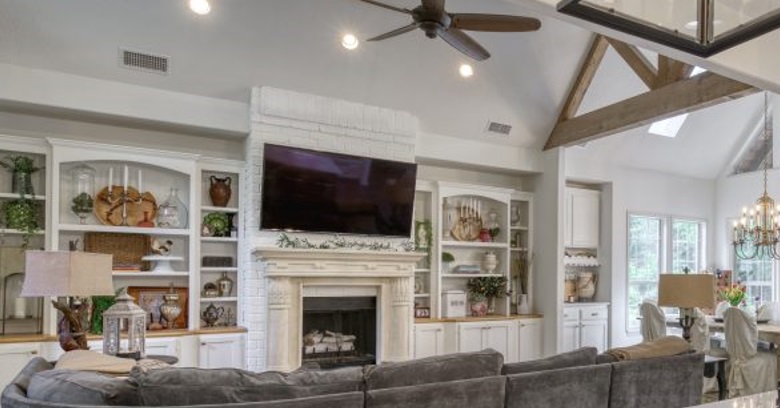
Searching for Room Addition to Homes in Bryan Texas?
Good Company Construction manages the design, the trades, and the schedule on larger home projects within Bryan Texas property owners.
Dial 979-401-2527 to start a conversation about your plans.
The Role Behind the Name on the Truck
Anyone researching Room Addition to Homes in Bryan Texas soon learns that the title covers a lot of ground. The general contractor is the party responsible for the overall job. It sequences the subcontractors so they do not collide, and it answers for the result.
The role is quite different from performing one trade, and the difference shows in how a project runs. Framing, wiring, plumbing, and finishing each take skill, yet the project is won or lost on how smoothly the pieces connect. Good Company Construction organizes Room Addition to Homes so one plan connects every trade, and every phase is planned with the next one in mind.
Who Draws the Plans, and Who Builds Them
On a design-build project, one team takes on the plans and the building together. Practical building knowledge goes into the drawings from the first sketch, and there is one place to go when a detail has to change.
The alternative is to hire an architect or designer first, and it divides the work in a clear way. The design stands on its own as a finished package, which fits owners who want to settle the design before choosing who builds it. The right choice depends on the project and on the owner, and a builder can usually take on Room Addition to Homes whether the plans are ready or not.
Adding Space Means Changing the Structure
A room addition is not a freestanding building. A new slab or pier line must be made compatible with the existing foundation, and the roof has to meet the existing one without trapping water. The existing equipment may or may not be enough for the added space, and the result affects comfort for years.
Framing is the quiet center of most additions, and it hides behind drywall once the job is done. Plumb, level, and square framing set the stage for a clean finish. Contractors who do this daily know, and the point is that mistakes in the frame travel all the way to the paint.
Siding, Rooflines, and Windows: Where New Meets Existing
A new room that works inside the house may look foreign from the street, if nobody took the time to match the original lines. Brick, siding, and trim age over time, so an exact match is sometimes hard to find, and a thoughtful builder talks through those options with the owner.
The roof is usually the first thing that shows a poor match, and the junction between old and new deserves extra attention. A roof that matches in slope and eave depth looks natural, and it limits the number of awkward valleys where leaves and water collect.
Heating, Cooling, Electrical, and Plumbing Need a Second Look
A house is sized as a system, and an addition changes the total, and it adds up faster than most owners expect. Long hot summers put the most strain on cooling, so capacity is worth checking early, and a builder can have the equipment evaluated before the walls go up. Wiring and plumbing have capacity limits of their own, and the findings go into the scope of work.
Thinking Through a Project That Touches the Whole House
Work that touches every room brings the flow of the entire house into the plan. Staying put is often possible for phased work and harder for a full gut, and the sequence of rooms is chosen with it in mind.
The older the house, the more likely something unexpected waits behind a wall, and experienced builders plan for that. Past repairs, past additions, and past shortcuts are better expected than hoped against. Setting expectations before the walls are opened can be a sign of a contractor who has done this before.
Why Permits Matter More as the Work Gets Bigger
The larger the project, the more important it is to learn what the town requires. Rules differ between cities, counties, and rural parcels, and the paperwork usually runs through the builder. Homes in an association also answer to its design rules, and the rules are usually easy to obtain from the association.
What to Ask When You Compare Contractors
Deciding who should manage a home project has a business side and a personal side. Make sure it is clear who applies for permits and who schedules inspections, and ask who will be on the job day to day and who the owner can reach.
A careful owner confirms that the documents the jurisdiction asks for are in order, and get the list of what is included, and what is not, set out in plain words. Someone who has run many larger projects will often have a ready answer for every item.
The Order of Operations for a Bigger Home Project
The calendar for an addition starts with whatever has the longest lead time, and everything else is arranged around it. Windows, doors, cabinets, and structural components can take weeks to arrive, so the purchasing plan is part of the construction plan.
When the household stays in the house, the project is usually organized in phases. Temporary walls, protected floors, and a defined work zone keep daily life going while the building work continues. Households that think it through before the work starts usually get a smoother experience.
Owner Choices That Keep a Project on Schedule
There are many selections to make before and during a job, and a little preparation makes it much easier. Tile, lighting, paint colors, and plumbing fixtures must be decided ahead of the day they are needed. Contractors who list the choices and their due dates makes it easy to see what is coming.
Drawings are what every trade reads before it starts, and they are the reference for every decision on site. Layouts, dimensions, and notes on the pages guide each trade through its part, so a set that leaves gaps tends to produce mistakes in the field.
From Final Inspection to the Final Walk-Through
When the last trade has finished, each finished area gets checked one by one. Small items that are off are noted and corrected, and the town's final inspection signs off on the building work.
For Room Addition to Homes in Bryan Texas, Good Company Construction can walk through how a project like yours would be planned and staged. Call 979-401-2527 to talk it over.
Verified

Verified
Verified
Verified
Verified